Preparing for a composer certification can feel overwhelming without the right guidance and resources. Music academies offer structured programs designed to hone your skills, deepen your theoretical knowledge, and prepare you for the exam with expert instructors.
Whether you’re a beginner or looking to refine your craft, these academies provide tailored lessons that fit your pace and style. The industry is evolving rapidly, and staying updated through professional training can make all the difference.
If you want to turn your passion into a recognized qualification, choosing the right music academy is a crucial first step. Let’s dive in and explore how these academies can set you on the path to success!
Mastering Music Theory and Composition Techniques
Building a Strong Theoretical Foundation
Understanding music theory is the backbone of any composer’s skill set. When I first enrolled in a program, I found that breaking down complex concepts like harmony, counterpoint, and form into digestible lessons made a huge difference.
Music academies usually offer comprehensive courses that start with basics like scales and chord progressions, then gradually move into advanced topics such as modal interchange and atonality.
This step-by-step approach helps prevent feeling overwhelmed and ensures you grasp the essentials before tackling more challenging material.
Exploring Diverse Composition Styles
One thing I really appreciated was how structured programs expose you to a wide range of genres and compositional techniques. From classical sonatas to modern film scoring, each style has unique rules and creative freedoms.
By experimenting within these frameworks, you learn to adapt your voice while respecting tradition. This variety not only broadens your musical palette but also prepares you for real-world scenarios where versatility is key.
The instructors often provide practical assignments that push you to apply theory in meaningful ways, which I found incredibly motivating.
Developing Your Unique Compositional Voice
Beyond technique, the journey to certification is about discovering what sets your music apart. Experienced teachers encourage you to analyze your influences and integrate personal experiences into your work.
I remember sessions where feedback was focused not just on correctness but on emotional impact and originality. This holistic guidance helps nurture creativity alongside technical skills, making your compositions stand out during exams and beyond.
Effective Practice Strategies for Consistent Progress
Setting Realistic and Structured Goals
One of the hardest parts of self-study is staying motivated without clear milestones. Music academies solve this by helping you set achievable weekly or monthly goals tailored to your current level.
For example, focusing on mastering a particular rhythm pattern or completing a short piece within a week creates a sense of accomplishment. I noticed that breaking down large tasks into smaller chunks helped me avoid burnout and steadily improved my skills.
Incorporating Feedback Loops
Regular critique sessions with instructors or peers are invaluable. Initially, I was nervous sharing unfinished work, but over time, I realized that constructive criticism was a catalyst for growth.
Many academies use recording sessions or live workshops where you present your compositions and receive targeted advice. This iterative process of composing, receiving feedback, and revising ensures that your progress is guided and meaningful rather than aimless.
Balancing Theory and Creativity in Practice
It’s tempting to focus heavily on theory drills, but creativity should never be sidelined. Effective practice routines blend technical exercises with free composition or improvisation.
Personally, dedicating time to experiment with melodies and textures without pressure to “get it right” allowed me to stay inspired and apply theoretical knowledge naturally.
Music schools often encourage this balance by mixing structured lessons with open-ended projects.
Leveraging Technology and Software Tools
Using Digital Audio Workstations (DAWs)
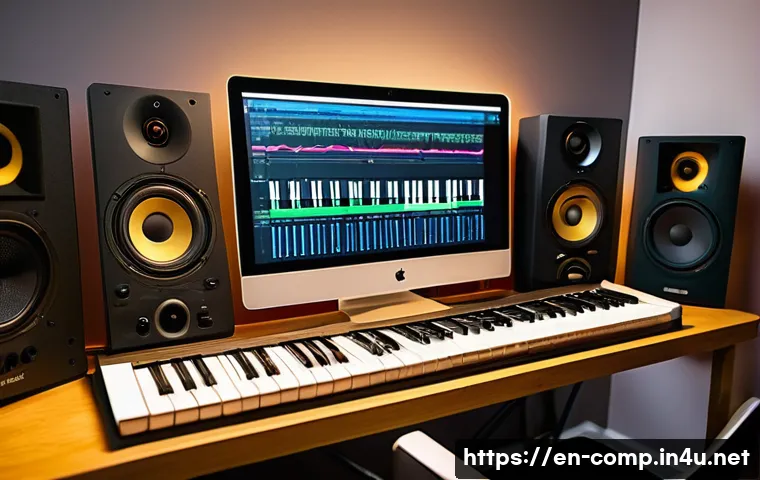
Modern composition heavily relies on technology, and learning to use DAWs like Logic Pro, Ableton Live, or FL Studio can be a game-changer. These platforms allow you to hear your compositions instantly, experiment with orchestration, and fine-tune arrangements.
During my training, the ability to quickly iterate and listen back transformed my workflow. Many academies incorporate DAW tutorials and assignments, helping students become proficient in tools essential for today’s music industry.
Notation Software for Precision and Clarity
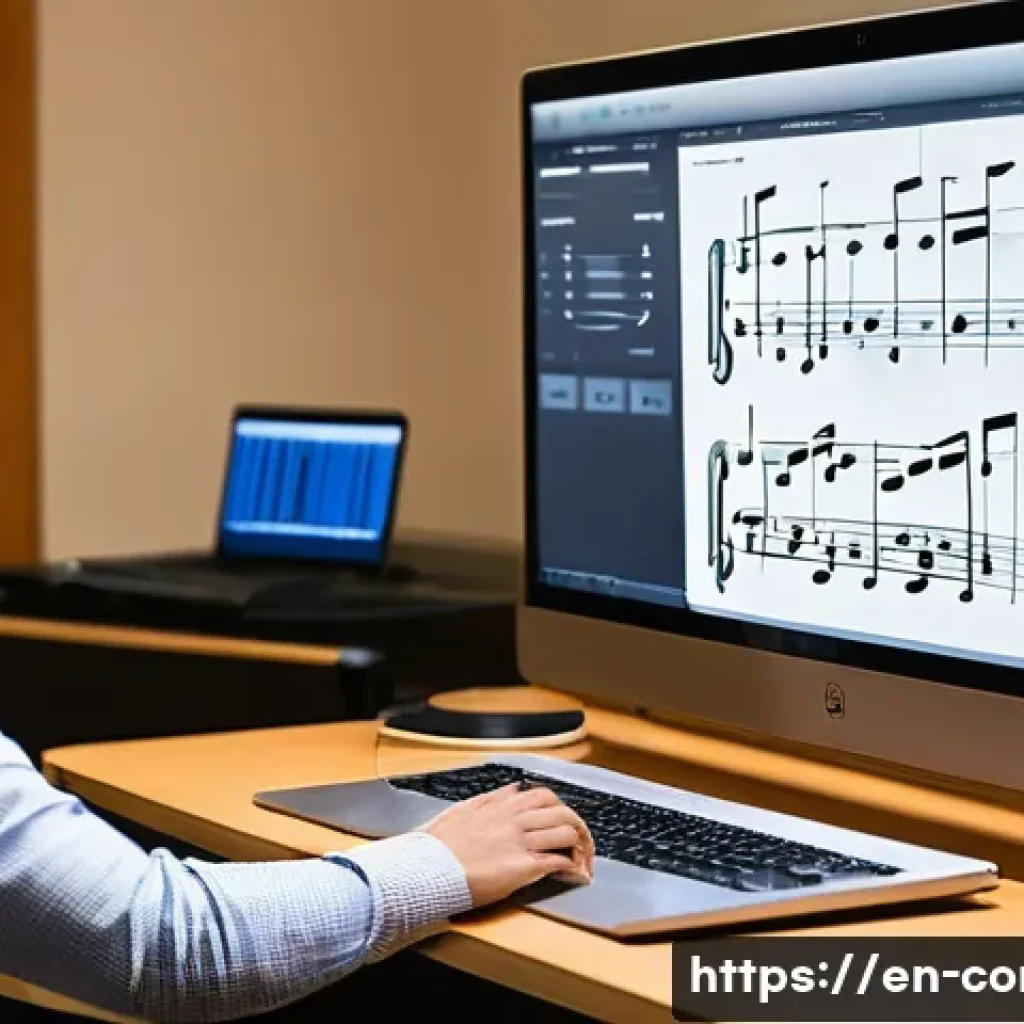
Software such as Finale, Sibelius, or Dorico is crucial for creating professional sheet music. Early on, I struggled with messy handwritten scores, but mastering notation software improved both my presentation and understanding of musical structure.
Academies usually provide guided lessons on these programs, ensuring you can produce clean, readable scores that meet exam standards and professional expectations.
Exploring Online Resources and Communities
Besides formal lessons, technology opens doors to vast online libraries, masterclasses, and forums. I found that joining composer groups and watching tutorial videos supplemented my learning immensely.
Many academies now integrate these resources into their curricula, encouraging students to stay connected with the wider musical world. This networking is not only inspiring but can lead to collaboration and career opportunities.
Understanding Exam Requirements and Formats
Breaking Down the Certification Process
Every composer certification has specific criteria and exam formats that can feel daunting without guidance. When I first looked into it, the variety of requirements—from written theory tests to composition submissions and live auditions—was overwhelming.
Music academies provide detailed outlines and mock exams that simulate the real testing environment, which helped me feel prepared rather than anxious.
Time Management During Exams
Exams often require completing compositions or theory exercises under time constraints. Learning to allocate your time effectively is crucial. During preparation, timed practice sessions taught me how to balance speed with quality.
Instructors often share insider tips on common pitfalls and how to pace yourself, which can be the difference between passing and needing to retake.
Preparing a Portfolio of Compositions
Some certifications ask for a portfolio showcasing your best work. This means curating pieces that highlight your range and technical skills. I was surprised how much thought goes into selection and presentation.
Music academies usually guide students in assembling a cohesive portfolio, including advice on formatting, annotations, and how to write program notes that articulate your artistic vision clearly.
Choosing the Right Academy for Your Goals
Evaluating Curriculum and Instructor Expertise
Not all music academies are created equal. When I researched options, I prioritized programs with instructors who had real-world composing experience and strong academic backgrounds.
A curriculum that balances theory, practical application, and industry trends is key. Reviews and alumni testimonials can provide insights into the academy’s quality and teaching style.
Considering Class Formats and Flexibility
Depending on your schedule and learning preferences, the format matters. Some academies offer in-person classes, while others provide online or hybrid models.
I personally benefited from a hybrid setup that combined live instruction with self-paced modules. Flexibility can be a lifesaver if you’re juggling work, family, or other commitments.
Comparing Costs and Financial Support
Tuition fees vary widely, so it’s important to weigh the investment against potential benefits. Many programs offer payment plans, scholarships, or trial classes.
I found that transparent pricing and clear refund policies helped me make a confident decision. The table below summarizes typical offerings from leading music academies to help you compare.
| Academy Name | Course Length | Format | Tuition Range (USD) | Special Features |
|---|---|---|---|---|
| Harmony Institute | 6 months | Online | $1,200 – $1,500 | Live workshops, DAW integration |
| Creative Composers Academy | 1 year | Hybrid | $2,000 – $2,500 | Portfolio guidance, industry guest lectures |
| SoundCraft School | 3 months | In-person | $900 – $1,100 | Intensive theory, performance opportunities |
| Modern Music Lab | 8 months | Online | $1,400 – $1,700 | Focus on film scoring, DAW tutorials |
Networking and Career Development Opportunities
Building Connections with Fellow Musicians
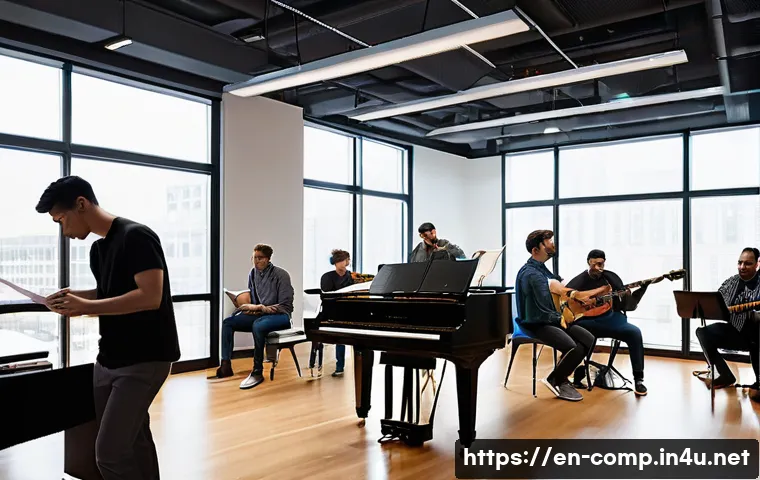
One of the biggest benefits I experienced was meeting other composers and musicians. Many academies host group projects, jam sessions, or online forums where students collaborate and exchange ideas.
These connections often evolve into long-term creative partnerships or professional networks. Being part of a community makes the journey less isolating and more inspiring.
Access to Industry Professionals and Mentors
Programs that include mentorship from established composers or producers offer invaluable insights. I remember a mentor session where industry veterans shared real-world tips about pitching music and navigating contracts.
This insider knowledge helped me avoid common mistakes and opened doors to freelance gigs and commissions.
Showcasing Your Work Publicly
Some academies organize recitals, showcases, or digital platforms to present student compositions. Performing or sharing your work publicly is a confidence booster and a way to get feedback beyond the classroom.
I found these events motivating because they put a spotlight on progress and help build a professional portfolio that stands out to future employers or clients.
글을 마치며
Mastering music theory and composition is a journey that combines discipline, creativity, and continuous learning. By building a solid foundation, exploring diverse styles, and leveraging modern technology, you can develop a unique voice and confidently navigate certification processes. Remember, the right academy and community support can make a significant difference in your growth. Keep practicing, stay curious, and embrace every opportunity to share your music with the world.
알아두면 쓸모 있는 정보
1. Setting clear, manageable goals during your practice sessions helps maintain motivation and prevents burnout. Breaking complex tasks into smaller steps works wonders.
2. Regular feedback from instructors or peers accelerates improvement by providing fresh perspectives and constructive criticism.
3. Balancing technical exercises with creative experimentation keeps your practice enjoyable and fosters originality.
4. Familiarity with DAWs and notation software is essential in today’s music industry, improving both workflow and presentation.
5. Building a professional portfolio and networking with industry professionals opens doors to career opportunities beyond certification.
중요 사항 정리
To succeed in mastering music theory and composition, prioritize structured learning that gradually advances your skills while encouraging creative expression. Choose an academy with experienced instructors and flexible formats that suit your lifestyle. Incorporate technology effectively to enhance your work, and actively seek feedback and networking opportunities to grow both artistically and professionally. Consistent practice, time management, and portfolio preparation are key factors that will guide you toward certification and a sustainable music career.
Frequently Asked Questions (FAQ) 📖
Q: How do music academies tailor their composer certification programs to different skill levels?
A: Music academies typically assess your current knowledge and experience before placing you in a program that matches your level, whether you’re a complete beginner or an advanced composer.
They offer customized lesson plans that focus on building foundational skills for newcomers while providing more complex theory, orchestration, and composition techniques for seasoned musicians.
This personalized approach ensures you progress at a comfortable pace, allowing you to master each concept thoroughly before moving on, which really helped me feel confident going into my exam.
Q: What are the key benefits of choosing a music academy for composer certification preparation over self-study?
A: While self-study can be flexible, attending a music academy gives you structured guidance from expert instructors who provide immediate feedback and mentorship.
This direct interaction helps you avoid common pitfalls and accelerates your learning process. Plus, academies often update their curriculum to reflect industry trends and exam requirements, so you’re learning relevant, current skills.
From my experience, having a mentor to answer questions and review my compositions made a huge difference in my readiness and confidence for the certification exam.
Q: How can professional training at a music academy keep me updated with the rapidly evolving music industry?
A: Professional training programs at music academies are designed to incorporate the latest tools, software, and industry practices into their curriculum.
Instructors often have real-world experience and bring insights about new genres, digital production techniques, and emerging trends. This ongoing exposure ensures that you’re not just preparing for the exam but also gaining skills that make you competitive in today’s music landscape.
Personally, learning about current industry standards and technology during my training helped me adapt quickly and opened doors to new creative opportunities.