Composer’s Next Act Unexpected Career Paths After Your Music License

webmaster

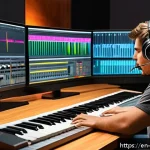
작곡가 자격증 취득 후 커리어 변화 - **Prompt 1: Gaming Composer in VR/Interactive Audio Studio**
    A highly detailed, realistic image ...

It’s fascinating how the music industry is constantly evolving, isn’t it? Just a few years ago, the idea of a “composer’s license” might have sounded a bit niche, perhaps only relevant to those aiming for classical commissions or highly specialized academic roles.

But let me tell you, from what I’ve seen and experienced, that landscape is totally shifting! With the digital renaissance in full swing, and technology becoming a composer’s ultimate playground, getting a formal certification can be a real game-changer.

I mean, who would have thought that AI could be a co-composer, or that we’d be crafting soundscapes for virtual reality experiences and engaging with global audiences through immersive live performances from our home studios?

I’ve personally witnessed how these certifications aren’t just about validating your expertise (though that’s a huge plus, believe me!). They’re about opening doors to a multitude of career paths that frankly, many of us didn’t even consider a decade ago.

Think about it: creating bespoke music for podcasts, video games, or even corporate branding, teaching the next generation of digital maestros, or diving into music licensing and copyright management.

It’s no longer just about the grand symphony hall; it’s about being adaptable, tech-savvy, and genre-fluid. This isn’t just about a piece of paper; it’s about having a proven toolkit that makes you relevant and in demand in an industry that’s hungry for fresh, innovative talent.

The future of a composing career isn’t just bright; it’s incredibly diverse and offers more avenues than ever before for those willing to embrace new technologies and collaborative opportunities.

If you’ve been dreaming of making your mark in music, a composer’s license might just be the pivot you need to redefine your trajectory and unlock those exciting, often unexpected, opportunities.

Let’s dive deeper and find out exactly how to make this transformative leap!

The music industry is truly a whirlwind of innovation and opportunity these days, isn’t it? As someone who’s been navigating this fascinating landscape for quite a while, I can tell you that embracing new paths, especially when it comes to formal recognition like a composer’s license, can utterly transform your career.

It’s not just about a fancy piece of paper; it’s about solidifying your expertise and opening doors you might not even know exist. I’ve seen firsthand how composers are leveraging their skills in ways that were unimaginable even a decade ago, moving beyond the traditional concert halls into dynamic new realms.

So, if you’re ready to redefine your musical journey and unlock some truly exciting, unexpected opportunities, let’s dive into how a composer’s license can be your secret weapon!

Unlocking New Digital Frontiers: Beyond Traditional Composing

작곡가 자격증 취득 후 커리어 변화 - **Prompt 1: Gaming Composer in VR/Interactive Audio Studio**
    A highly detailed, realistic image ...

Oh, the sheer excitement of it all! I remember back in the day when “composing” largely meant aiming for film scores, TV jingles, or, if you were lucky, a classical commission. But seriously, folks, those days are beautifully evolving. What I’ve personally experienced, and what the industry clearly shows, is an explosion of demand for bespoke music in areas that didn’t even exist with this level of prominence before. Think about it: every podcast needs an intro, outro, and transitional music; every indie game needs an immersive soundscape; and every brand wants a unique sonic identity for their digital campaigns. This isn’t just theory; I’ve had friends, once struggling to get traditional gigs, now absolutely thriving by focusing on these newer, more agile markets. They’re crafting sound that’s not just heard but deeply felt and integrated into people’s daily digital lives. It’s a space where your unique voice, backed by solid credentials, can truly shine and carve out a profitable niche. The digital realm is truly a playground for composers who are willing to experiment and adapt. We’re talking about a landscape where a well-placed track in a viral video can get you more exposure than a symphony hall premiere ever could, and it’s exhilarating to witness this shift.

Crafting Sonic Worlds for Gaming & Virtual Reality

I’ve always been fascinated by how sound shapes our perception, and nowhere is this more apparent than in gaming and virtual reality. When I first started experimenting with creating music for interactive experiences, it felt like stepping into a whole new dimension. You’re not just composing a linear piece; you’re building an adaptive, responsive soundscape that reacts to player choices and environmental changes. This demands a different kind of expertise—understanding game engines, interactive audio middleware, and how music can enhance immersion without becoming intrusive. A composer’s license, especially one with a focus on media scoring or digital production, gives you a huge leg up here, proving you have the technical chops and theoretical understanding. I’ve heard so many stories from fellow composers who initially thought this was too niche, only to find it’s one of the most creatively fulfilling and financially rewarding avenues out there right now. It’s about being part of creating entire worlds, and honestly, that’s a pretty cool job. The demand for original music in video games is consistently increasing, making it a lucrative field for composers who can deliver unique and engaging sound.

The Lucrative Niche of Podcast & Brand Music

Podcasts are everywhere, right? And brands are finally waking up to the power of a distinct audio logo or background score to truly connect with their audience. This is where a composer with a keen ear for branding and storytelling can truly excel. I remember working on a podcast series where the client wanted something warm, inviting, but also subtly energetic. It was a challenge, but when I heard my music woven through their episodes, creating that consistent, recognizable feel, it was incredibly satisfying. It’s not just about composing; it’s about understanding the psychology of sound in marketing and communication. Platforms are constantly looking for high-quality, royalty-free music tailored for various needs, which is a fantastic opportunity. Many independent composers are finding success by offering custom music composition services for businesses, advertisements, and video games. This can mean creating custom scores for advertising campaigns, corporate videos, or even the unique sounds associated with a product. It’s a field that demands versatility and an understanding of how music can enhance a narrative or identity, and with a certification, you signal that you’re not just a musician, but a professional ready for these specific commercial challenges.

Your Official Passport to Professional Recognition: The Certification Advantage

I know, I know, sometimes the idea of “certification” can sound a bit stuffy or unnecessary in a creative field. “Isn’t talent enough?” I used to think. But honestly, having gone through the process and seen its impact, I can tell you it’s a genuine game-changer, especially in today’s crowded market. It’s not just about validating what you already know; it’s about gaining a comprehensive understanding of the industry’s evolving standards, legal frameworks, and advanced techniques. When I got my own certification, it wasn’t just a personal achievement; it gave me a newfound confidence when pitching for projects. It signals to potential clients that you’re not just passionate, but also rigorously trained and committed to your craft, operating at a professional level. In a world where anyone can call themselves a composer, this kind of formal recognition truly sets you apart and demonstrates your dedication to excellence. It’s about building a foundation of credibility that makes your talent undeniable and opens doors to higher-profile, better-paying opportunities. I’ve seen how it enhances both individual composers’ careers and the overall quality of music being produced in these exciting new sectors.

Navigating the Diverse Landscape of Composer Programs

The beauty of today’s educational landscape is the sheer variety of programs available. It’s not a one-size-fits-all situation anymore, which is fantastic! When I was looking into further education, I explored everything from traditional university music degrees to specialized online courses focusing on film scoring or game audio. I mean, you can find professional certificates in composing and orchestrating for film and TV, or advanced certificates in writing and producing music. It’s crucial to find a program that truly aligns with your specific goals and musical DNA. Do you want to dive deep into orchestral scoring, or are you more interested in electronic music production and sound design? Are you aiming for a master’s degree or a practical, skill-focused certification? Many institutions now offer tailored programs that recognize the diverse paths composers take. I remember feeling overwhelmed at first, but by clearly defining my career aspirations, I was able to narrow down the options and pick a program that genuinely propelled me forward. It’s an investment, but a well-chosen program pays dividends in both knowledge and networking.

What a Composer’s License Actually Means for Your Credibility

Let’s talk brass tacks: what does this piece of paper actually *do* for you? From my experience, it fundamentally elevates your professional standing. It’s an undeniable signal that you’ve put in the work, mastered specific skill sets, and understand the intricacies of music theory, composition, and often, the business side of things. In a highly competitive field, this can be the distinguishing factor that lands you a gig over another talented individual. It shows clients you’re not just a hobbyist, but someone who takes their craft seriously enough to seek formal validation. For those looking to hire, a certified composer represents a lower risk, as they come with a proven baseline of competence. It also helps you navigate the complex world of music licensing and copyright, ensuring you understand your rights and how to protect your intellectual property. I’ve personally found that having that certification gives me confidence in demanding situations, knowing I’ve got a recognized foundation beneath my creative output. It really is about boosting your credibility and opening doors to more significant opportunities.

Advertisement

Monetization Mastery: Turning Your Melodies into a Sustainable Income

Alright, let’s get real about making money as a composer. This is an area I’ve personally put a lot of energy into exploring, because as much as we love the art, we also need to pay the bills, right? The beauty of the modern music industry is that there are so many more avenues to monetize your work than ever before. Gone are the days when you were solely reliant on album sales or concert tickets. Now, with a keen understanding of licensing and direct-to-fan strategies, you can build multiple, robust income streams. I’ve seen friends move from sporadic income to consistent, comfortable earnings by diversifying their approach. It’s not just about creating great music; it’s about strategically placing it where it can generate income, whether that’s through direct deals, stock music libraries, or even building a loyal subscriber base. Understanding these mechanisms has been critical for me and many others in transitioning from “starving artist” to “thriving creative entrepreneur.”

Direct Licensing: Taking Control of Your Earnings

This is one area where I truly feel empowered. Direct licensing means you’re cutting out some of the traditional middlemen and forging direct relationships with clients who need music. Think about it: a small business needs background music for their store, a YouTube creator needs a track for their video, or a game developer needs a specific sound for their app. Instead of going through a publisher or a record label, you can license your music directly. I’ve found platforms that connect composers directly with these clients, and the transparency and control over your rights and royalties are a game-changer. It means you negotiate your own terms, set your own prices, and keep a larger percentage of the revenue. It does require more proactive marketing and networking on your part, but the payoff in terms of creative control and financial return is absolutely worth it. It’s like being your own mini-publishing house, and it feels incredibly liberating. Selling your music through stock music websites like AudioJungle, Pond5, or Shutterstock is another way to generate income through licensing.

Building Royalty Streams: The Long Game of Composition

While direct licensing is fantastic for immediate income, building solid royalty streams is truly playing the long game. This is where your compositions continue to generate income long after you’ve created them. Every time your music is played on the radio, streamed online, used in a TV show, or performed publicly, you’re potentially earning royalties. This involves registering your works with performing rights organizations (PROs) like ASCAP or BMI, which collect and distribute these payments. It can feel a bit complex at first, like navigating a maze, but understanding this system is absolutely essential for any serious composer. I’ve personally learned that patience and diligent administration are key here. It’s about setting up systems that ensure you get paid fairly for every single use of your music, allowing your creativity to generate passive income over time. It provides a foundational layer of financial stability that lets you focus on what you do best: composing.

The Modern Composer’s Toolkit: Branding, Networking, and Tech Savvy

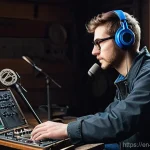
작곡가 자격증 취득 후 커리어 변화 - **Prompt 2: Podcast & Brand Music Creator in a Cozy Modern Studio**
    A vibrant, inviting, and hig...

If there’s one thing I’ve learned in this industry, it’s that talent alone, while crucial, isn’t always enough anymore. You need a modern composer’s toolkit that goes beyond just writing great tunes. This means actively building your personal brand, networking like your career depends on it (because, well, it often does!), and staying utterly tech-savvy. I mean, remember when having a website was optional? Now it’s practically your digital business card. And social media? It’s not just for sharing cat videos; it’s your virtual stage, your networking event, and your promotional engine all rolled into one. I’ve spent countless hours refining my online presence and connecting with other creatives, and I can tell you, these efforts have directly led to some of my most exciting collaborations and projects. It’s about being visible, approachable, and constantly learning new ways to showcase your unique voice in a world that’s always listening.

Amplify Your Voice: Strategies for Online Presence

Building an online presence today is non-negotiable for composers, period. It’s how you get discovered, how you connect with potential clients, and how you tell your story. I’ve found that it’s not enough to just post your music; you need to craft a compelling narrative around it. This means having a professional website that truly showcases your portfolio, engaging regularly on social media platforms like Instagram, TikTok, and YouTube, and even maintaining an active blog. I make sure to share behind-the-scenes glimpses of my creative process, offer insights into my work, and engage directly with my audience. It’s about building a community around your sound. Remember, people connect with authenticity, so let your personality shine through! Using SEO strategies to ensure your content ranks high on search engines is also vital for discoverability. It’s a continuous effort, but when someone tells you they discovered your music through your blog post or a social media reel, it feels incredibly rewarding.

Collaborate to Elevate: Expanding Your Creative Reach

I genuinely believe that some of the most exciting work happens when creative minds come together. Collaboration isn’t just about sharing the workload; it’s about blending perspectives, learning new techniques, and pushing your artistic boundaries. I’ve been fortunate enough to collaborate with filmmakers, game developers, poets, and even other musicians from entirely different genres. These experiences have not only enriched my musical vocabulary but have also significantly expanded my network and brought opportunities I wouldn’t have found on my own. Don’t be afraid to reach out to people whose work you admire, attend industry events (both online and in-person), and actively seek out collaborative projects. It’s a powerful way to cross-pollinate ideas and reach new audiences you might never access independently. It’s a give-and-take, a synergy that can lead to truly magical and unexpected outcomes.

Advertisement

Future-Proofing Your Passion: Adapting to the Evolving Music Scene

The music industry is a living, breathing entity, constantly evolving and surprising us. I mean, who would have predicted the rise of AI as a co-composer just a few years ago? To truly future-proof your career and ensure your passion remains viable for years to come, adaptation isn’t just an option—it’s essential. I’ve personally made it a point to stay curious, to experiment with new technologies, and to never stop learning. It’s about seeing change not as a threat, but as an opportunity to innovate and redefine what it means to be a composer. The landscape will continue to shift, but by embracing these changes and staying agile, you can ensure your place at the forefront of musical innovation. It means being open to new sounds, new tools, and new ways of connecting with audiences, always with an eye on what’s coming next.

Embracing AI as Your Creative Partner, Not Your Replacement

This is a topic that often sparks lively debates among my composer friends! When AI music generation tools first started appearing, there was definitely some apprehension. Would they replace us? But what I’ve discovered, and what many in the industry are realizing, is that AI can be an incredible creative partner. Tools like AIVA, Amadeus Code, Soundraw, Boomy, and Suno are already helping composers generate melodies, harmonies, and even full tracks, streamlining the creative process. I’ve personally used AI to overcome writer’s block, generate variations on a theme, or simply explore unfamiliar genres and techniques. It’s not about letting AI do all the work; it’s about leveraging these powerful tools to enhance your own creativity and speed up your workflow. Think of it as having an incredibly skilled assistant who can rapidly prototype ideas, leaving you more time for the truly human elements of emotion, storytelling, and unique artistic expression. The key is to learn how to effectively collaborate with AI, not to fear it.

Continuous Learning: The Key to Staying Relevant and In-Demand

The moment you stop learning in this industry is the moment you start falling behind, plain and simple. I’ve always been a firm believer in continuous learning, whether that’s picking up a new DAW, diving into advanced orchestration techniques, or understanding the latest trends in music consumption. The industry is constantly introducing new technologies, new platforms, and new audience behaviors. For instance, short-form video content on platforms like TikTok continues to dominate music discovery. Keeping your skills sharp and your knowledge current isn’t just about survival; it’s about thriving. I regularly attend workshops, consume industry reports, and actively seek out new software and techniques. This proactive approach ensures that I remain adaptable, innovative, and, most importantly, in demand. A composer’s license is a great start, but it’s the commitment to lifelong learning that truly future-proofs your career and keeps the creative juices flowing.

Aspect Traditional Composer Path (Past) Certified Composer Path (Present & Future)
Primary Income Sources Concert commissions, album sales, live performance fees. Sync licensing (film, TV, games, ads), streaming royalties, direct client commissions, teaching, stock music.
Key Skills Emphasized Orchestration, harmony, counterpoint, instrument-specific writing. Composition, digital audio workstation (DAW) proficiency, sound design, music business/licensing, marketing, AI collaboration.
Career Opportunities Orchestras, opera houses, film studios (often through agents). Independent media composer, game audio designer, podcast music creator, brand sonic strategist, educator, music tech developer.
Industry Recognition Reputation built through performances and critical acclaim. Formal certification, professional network, online portfolio, demonstrable expertise across diverse media.
Technological Integration Limited to traditional recording and notation tools. Seamless integration of AI tools, advanced DAWs, virtual instruments, and interactive audio engines.

Wrapping Things Up

Wow, what a journey we’ve covered together, right? It’s genuinely exciting to see how much the world of music composition has expanded and evolved. As I’ve shared throughout, securing that composer’s license isn’t just a formality; it’s truly your passport to unlocking incredible, often unforeseen, opportunities in today’s digital-first landscape. From crafting immersive soundscapes for games to designing unique sonic identities for brands, the pathways are richer and more diverse than ever. I truly believe that by embracing continuous learning, strategic monetization, and the power of professional recognition, you’re not just composing music – you’re building a sustainable, fulfilling career that resonates far and wide. So, go forth and make some beautiful noise, backed by the confidence and credibility you deserve!

Advertisement

Useful Information to Know

1. Understanding Performing Rights Organizations (PROs): Registering your music with a PRO like ASCAP, BMI (in the US), or PRS for Music (in the UK) is crucial. These organizations collect and distribute royalties when your music is publicly performed, broadcast, or streamed, ensuring you get paid for your creative work. It’s a vital step for any composer looking to build long-term income streams.

2. Crafting a Standout Digital Portfolio: In today’s visual and auditory world, a professional online portfolio is your 24/7 calling card. Make sure it showcases your best work, categorizes your compositions by genre or project type (e.g., game scores, commercial jingles), and includes clear contact information. High-quality audio samples and even video clips demonstrate your versatility and professionalism far more effectively than a simple list.

3. Navigating Music Licensing Agreements: Familiarize yourself with different types of licenses—sync, mechanical, public performance. Each has specific implications for how your music can be used and how you get paid. Understanding these agreements empowers you to negotiate fair terms, protect your intellectual property, and maximize your earnings, whether you’re dealing with a major studio or an independent creator.

4. The Power of Strategic Networking & Collaboration: The music industry thrives on connections. Attending virtual and in-person industry events, engaging with online communities, and reaching out to fellow creatives can open doors to unexpected projects. Collaboration not only broadens your artistic horizons but also introduces your work to new audiences and potential clients you might not reach on your own.

5. Ethical and Creative Use of AI in Music: While AI tools are powerful, understanding their limitations and ethical considerations is key. Use AI as a creative assistant for generating ideas or automating tedious tasks, but always ensure your unique human touch and artistic vision remain at the forefront. Remember to always review and refine AI-generated content to maintain originality and avoid any copyright pitfalls.

Key Takeaways

Embracing a composer’s license significantly boosts your professional credibility and unlocks diverse opportunities in the evolving music landscape. Modern composers can thrive by focusing on new digital frontiers like gaming, podcasts, and brand music, transforming their passion into sustainable income through direct licensing and robust royalty streams. Success in this dynamic industry also hinges on a comprehensive toolkit that includes a strong online presence, strategic networking, and a proactive approach to continuous learning and technological adaptation, including the ethical integration of AI tools.

Frequently Asked Questions (FAQ) 📖

Q: What exactly does a “composer’s license” mean in today’s rapidly changing music world, especially with all the digital advancements and

A: I tools we’re seeing? A1: Oh, this is such a fantastic question and honestly, it’s one I get asked a lot! When we talk about a “composer’s license” today, it’s not the dusty, academic certification you might imagine from decades past.
Believe me, I’ve seen firsthand how this has transformed. Think of it less as a single, rigid license and more as a modern professional credential that validates your diverse skill set in the contemporary music landscape.
It signifies that you’re not just a talented musician, but a fully equipped digital-era composer. What does that entail? It means you’ve got a proven grasp of things like advanced music production software (DAWs are your playground!), understanding music theory and its practical application in various genres, often some serious chops in sound design, and crucial knowledge of intellectual property rights and licensing agreements.
I’m talking about the stuff that actually gets you paid for your work in podcasts, video games, film, and even those super cool interactive VR experiences.
It often involves demonstrating proficiency in working with new technologies, like AI-assisted composition tools, and understanding how to collaborate effectively in a remote, globalized environment.
It’s essentially a stamp that says, “Hey, this person isn’t just creative; they’re professional, adaptable, and ready for the future of music.” For me, it was a huge confidence booster and a clear signal to potential clients that I was serious and up-to-date with industry standards.

Q: How does getting this kind of certification actually translate into real-world career opportunities and, let’s be honest, better income for composers?

A: That’s the million-dollar question, isn’t it? And from my own journey, I can tell you, it’s a total game-changer for your career and your wallet. Initially, I was skeptical, thinking my portfolio alone would speak volumes.
But here’s the thing: in a crowded market, a formal certification acts as a powerful differentiator. It instantly tells potential collaborators and clients that you’ve invested in your craft, that you’re committed to professional standards, and that you have a verifiable skill set.
I’ve personally found it opens doors to projects I might never have landed otherwise. Think about the booming podcast industry, the insatiable demand for original scores in indie video games, or even corporate clients looking for unique branding soundscapes.
These aren’t always looking for a “classical composer” – they’re looking for someone who can deliver high-quality, relevant music reliably and legally.
A license often means you understand music licensing, copyright, and publishing, which are absolutely vital for securing your intellectual property and, ultimately, your revenue streams.
It positions you as a professional who can handle the business side, not just the creative side. This directly leads to higher fees, better contract terms, and a more stable income because you’re seen as a less risky, more competent hire.
Plus, having a recognized certification often leads to speaking engagements or teaching opportunities, adding even more diverse income sources to your composer’s toolkit.
It’s all about building that trust and demonstrating your value in a tangible way.

Q: I’m not really aiming to write symphonies or orchestral pieces. Is a composer’s license still relevant for someone like me who’s more into electronic music, sound design, or perhaps even creating music for social media?

A: Absolutely, 100%! And honestly, this is where the modern “composer’s license” truly shines and where I’ve seen it make the biggest impact for creators like you and me.
The beauty of today’s music industry is its incredible diversity. The days when “composer” solely meant someone writing for the orchestra are long, long gone.
If you’re into electronic music, crushing it with sound design, or crafting viral tunes for TikTok, a modern composer’s certification is incredibly relevant.
Why? Because it typically covers the fundamental principles of music creation, audio engineering, production techniques, and crucially, the legal and business aspects that apply across all genres.
It means you’re not just experimenting in your studio; you’re learning how to build coherent sonic worlds, how to properly mix and master your tracks, and perhaps most importantly, how to protect your work and get paid for it, whether it’s a techno banger or a captivating background score for a YouTube vlog.
I’ve seen colleagues who specialize purely in ambient soundscapes or create bespoke audio branding jingles elevate their careers dramatically after getting certified.
It validates their expertise in a way that just saying “I make cool beats” can’t. It’s about demonstrating a holistic understanding of the craft, proving your professionalism, and showing that you can adapt your skills to any medium or genre that’s hungry for innovative sound.
Trust me, it’s not about stifling creativity; it’s about empowering it with a solid, professional foundation.

Advertisement