Have you ever dreamt of turning your musical passion into a thriving career, perhaps even earning a neat side income or making it your main gig? For a long time, the path to becoming a recognized composer felt shrouded in mystery, often implying years of traditional schooling and a hefty investment.
But let me tell you, the game has changed dramatically! I’ve been keeping a close eye on the music industry’s pulse, and what I’ve noticed is a fantastic shift towards micro-credentials and agile project work.
It’s less about a decades-long climb and more about strategic skill-building and smart networking, especially with the rise of digital platforms connecting creators globally.
The beauty of it all is that even without a conservatory degree, you can still solidify your expertise and land exciting, quick-turnaround projects that not only pay well but also build your portfolio at lightning speed.
Whether you’re eyeing sync licensing for ads, crafting memorable jingles, or scoring a short indie film, understanding how to certify your skills and where to find these golden opportunities is absolutely key in today’s fast-paced creative economy.
This new landscape offers incredible flexibility and a real chance to carve out your unique niche in the soundscape. We’re talking about a future where your proven ability and a solid short-term project portfolio speak volumes, often louder than any single degree.
So, if you’re curious about navigating this exciting new era of music creation, especially how certifications can boost your credibility and how to snag those lucrative, bite-sized gigs, you’re in for a treat.
Let’s accurately explore how you can leverage these insights to propel your composing journey!
Shifting Gears: Why Traditional Paths Are Evolving

Honestly, for years, the idea of becoming a successful composer felt like walking through a dense fog. It conjured up images of endless years at a conservatory, networking only with the elite, and a painfully slow climb up a ladder that seemed to only have a few rungs at the very top. I remember thinking, “How in the world do people even break into this?” But let me tell you, that perception is as outdated as dial-up internet. The music industry, like so many creative fields, has undergone a seismic shift, and honestly, it’s for the better, especially for us independent creators. What used to be gate-kept by institutions and major labels is now wide open thanks to technology and a growing demand for diverse sonic palettes. You don’t need to spend tens of thousands of dollars on a degree anymore to prove your worth. What truly matters now is your proven ability, your unique voice, and how effectively you can deliver on projects. I’ve personally seen friends and colleagues, some without any formal music education, absolutely crush it by focusing on practical skills and smart project acquisition. It’s an exciting time to be a composer because the barriers to entry have never been lower, yet the opportunities have never been more abundant. It’s all about being adaptable and recognizing where the real work and money are. This isn’t just a trend; it’s the new reality, and understanding it is your first step to owning your musical journey.
The New Music Industry Playbook
Forget the old-school rules; the music industry has rewritten its playbook, and it’s a thrilling read. We’re living in an era where agility and direct access are king. Think about it: indie films constantly need scores, advertising agencies are always on the hunt for catchy jingles, and even podcast creators are looking for unique sonic branding. These aren’t multi-million dollar deals for a full orchestra, but they are consistent, well-paying gigs that add up fast and build an incredible portfolio. What I’ve observed is a move away from the “one big break” mentality to a more sustainable model of consistent smaller projects. This means you can build a stable income stream and a diverse body of work without waiting for a mythical record deal. It’s about being a versatile musical entrepreneur, ready to tackle a variety of tasks, from sound design for a mobile game to composing a background track for a YouTube channel with millions of subscribers. The beauty of this new playbook is that it empowers individual composers, allowing us to dictate our own terms and build a career on our own terms, rather than waiting for someone else to give us permission. I absolutely love this shift because it puts the power back into the hands of the creators, fostering innovation and genuine artistry.
Beyond the Conservatory Walls
While a conservatory education can certainly provide a strong foundation, it’s no longer the only, or even the primary, path to success as a composer. I’ve encountered so many incredibly talented individuals whose skills were honed through online courses, self-study, and practical experience rather than years in a traditional academic setting. What I’ve come to realize is that employers and clients in today’s market care less about where you studied and more about what you can *do*. Can you deliver a high-quality track on time? Can you capture the emotional essence of a scene with your music? Do you understand the technical requirements of sync licensing? These are the questions that truly matter. This isn’t to say traditional education is worthless, but rather that the playing field has leveled. Platforms like Coursera, Berklee Online, and even YouTube tutorials offer world-class instruction at a fraction of the cost and with incredible flexibility. I remember feeling a bit self-conscious early in my career about not having a “fancy” degree, but after landing a few significant projects purely based on my demo reel, that insecurity quickly faded. It’s a testament to the fact that talent and demonstrable skill now trump pedigree in so many creative industries. Your portfolio is your new resume, and your proven track record is your diploma.
Unlocking Your Potential: The Power of Micro-Credentials
Let’s talk about something I’m genuinely passionate about: micro-credentials. If you haven’t explored them yet, you are seriously missing out! In a world that moves at lightning speed, full degrees can feel like a marathon when you just need to win a sprint. Micro-credentials are like those super-efficient power-ups in a video game; they give you a very specific, highly marketable skill in a fraction of the time and cost. I’ve personally seen how these targeted certifications can rapidly enhance a composer’s profile, making them instantly more attractive to potential clients looking for specialized expertise. We’re talking about things like “Advanced Orchestration for Film,” “Sound Design for Games,” or “Mastering Logic Pro X.” These aren’t just badges; they are concrete proof that you’ve mastered a particular niche, something incredibly valuable in a crowded market. The beauty is that you can stack these up, tailoring your skill set precisely to the kind of projects you want to attract. It’s incredibly empowering to feel like you’re constantly growing and adding verifiable skills to your arsenal without committing to years of study. I often advise budding composers to identify a gap in their knowledge or a skill that’s in high demand and then find a micro-credential to fill it. It’s a game-changer, truly!
Certifications That Speak Volumes
When I say “certifications that speak volumes,” I’m not just talking about any online course completion badge. I’m referring to recognized programs that signal to clients that you’ve undergone rigorous training and demonstrated proficiency in a specific area. Think about industry-standard software certifications, like those offered for Avid Pro Tools, Logic Pro, or Ableton Live. These prove you’re not just dabbling but are truly adept at using the tools of the trade. Or consider specialized compositional techniques: a certificate in advanced jazz harmony, or a program focused on writing for specific ensembles. These aren’t just for your own learning; they’re critical credibility boosters. I once had a client who was specifically looking for someone proficient in immersive audio mixing for a VR project, and a colleague who had just completed a specialized online certification instantly got the gig. It wasn’t just about his portfolio, but that extra verifiable proof of his niche expertise. These certifications show you’re serious, you’re current, and you’re competent, which can be the deciding factor when a client is sifting through dozens of portfolios. It makes you stand out in a truly meaningful way, providing a shortcut to trust and establishing your authority in a particular domain.
Where to Find Your Next Skill Boost
So, you’re convinced about micro-credentials, but where do you even start looking? It’s easier than you think! Online learning platforms are your best friends here. Coursera, edX, and FutureLearn often partner with top universities and institutions to offer specialized courses and professional certificates in music production, composition, and sound design. Berklee Online is another fantastic resource, offering a vast array of programs that are specifically tailored to the contemporary music industry, from scoring for film and TV to music business fundamentals. Don’t overlook more industry-specific platforms either; sometimes software companies themselves offer certification programs, like Avid for Pro Tools. Beyond formal platforms, consider smaller, specialized workshops or masterclasses offered by industry pros, often found through music production communities or even directly on their websites. I’ve found some incredibly niche and valuable courses just by following composers and sound designers I admire on social media. The key is to be proactive in your search and to align your chosen certification with your career goals. If you want to compose for games, look for game audio certificates. If sync licensing is your dream, find courses on music supervision or licensing specifics. The options are truly endless, and a quick Google search for “music composition micro-credential” or “sound design certification online” will open up a world of possibilities.
Showcasing Your Sound: Nailing Those Short-Term Gigs
Now, let’s get to the juicy part: actually landing those lucrative, short-term projects that can rapidly accelerate your composing career. I’ve learned through a fair bit of trial and error that it’s not just about being talented; it’s about being smart in how you present yourself and where you look for opportunities. These aren’t the days of knocking on doors with a dusty demo tape. The digital realm has made it incredibly efficient to connect with clients, but it also means you need to stand out from the crowd. Building a compelling portfolio and knowing how to effectively pitch your services are absolutely paramount. Think of yourself as a small business – because you are! Every interaction is an opportunity to impress, and every delivered project is a chance to build your reputation. I remember my first significant short-term gig was a jingle for a local coffee shop’s radio ad. It wasn’t glamorous, but it paid well, and more importantly, it was a tangible piece for my portfolio. That one small project led to another, and then another, building momentum faster than I could have imagined. It’s truly about understanding the ecosystem of these gigs and positioning yourself perfectly within it. You have to be proactive, persistent, and always professional.
Crafting an Irresistible Portfolio
Your portfolio isn’t just a collection of your work; it’s your storefront, your resume, and your elevator pitch all rolled into one. To make it irresistible, you need to curate it strategically. First and foremost, quality over quantity. Only include your absolute best work, and make sure it’s relevant to the types of projects you want to attract. If you want to score films, your portfolio should heavily feature cinematic pieces. If you’re aiming for commercial jingles, showcase catchy, upbeat tracks. I’ve seen too many composers cram every single piece they’ve ever made onto their website, and it just overwhelms potential clients. Think of a client’s perspective: they have limited time, and they want to quickly hear if your style matches their needs. Secondly, make it easy to navigate. Categorize your work clearly (e.g., “Film Scoring,” “Commercials,” “Game Audio”). Provide clear descriptions for each piece, including the project context, your role, and the instruments/software used. Thirdly, ensure it’s visually appealing. A clean, professional website or an organized SoundCloud/Bandcamp page makes a huge difference. High-quality audio is a given, but also consider including video excerpts if your work is synchronized to visuals. A strong, memorable portfolio is your secret weapon for landing those desired gigs, and honestly, it’s one of the best investments of your time you can make.
Hunting for High-Paying Projects
Finding those high-paying, short-term projects requires a bit of savvy and knowing where to cast your net. Freelance platforms like Upwork and Fiverr can be a starting point, especially for building initial testimonials, but don’t stop there. Look for industry-specific job boards; for film composers, sites like Mandy.com or ProductionHub are invaluable. For game audio, check out Gamasutra’s jobs section or even direct outreach to indie game studios. Advertising agencies are always looking for composers, so researching local and national agencies and sending targeted emails with your relevant portfolio can yield great results. Don’t underestimate the power of social media; LinkedIn, for instance, can connect you directly with filmmakers, game developers, and marketing professionals. I’ve personally had great success by simply connecting with people in related fields and letting them know what I do. Building relationships is key, as word-of-mouth referrals are often where the best projects come from. Also, consider specialized music licensing libraries like PremiumBeat or AudioJungle, where you can earn royalties on tracks you’ve already composed. While not direct “gigs,” they offer another avenue for monetizing your work. It’s a multi-pronged approach: actively searching, networking, and creating passive income streams. Never put all your eggs in one basket, and always be on the lookout for diverse opportunities.
Building Your Brand: Networking in the Digital Soundscape
Building a brand as a composer in today’s digital world isn’t about becoming a household name overnight; it’s about consistently showing up, connecting with others, and establishing yourself as a reliable and unique voice. When I first started out, networking felt like a daunting task, full of awkward small talk at industry events. But the digital soundscape has completely transformed this, making it so much more accessible and, frankly, more effective. We’re talking about building genuine connections online, collaborating with artists from different continents, and leveraging platforms to showcase your identity. This isn’t just about getting jobs; it’s about fostering a community around your work, receiving feedback, and continuously evolving as an artist. I’ve personally found some of my most fulfilling collaborations through online forums and social media groups, discovering incredible talent I might never have met otherwise. It’s a continuous process of engagement and contribution, and the more you put yourself out there, the more opportunities seem to naturally flow your way. Remember, your “brand” is essentially your professional reputation and the unique flavor you bring to your music. Cultivating it thoughtfully is absolutely essential for long-term success in this competitive yet rewarding field.
Connecting Beyond Borders: Online Communities
Online communities have been an absolute godsend for my journey as a composer, allowing me to connect with fellow musicians, producers, and potential clients from all corners of the globe. These aren’t just casual chat groups; many are vibrant, active hubs where professionals share insights, collaborate on projects, and even post job opportunities. Think about subreddits like r/gamedev or r/wearethemusicmakers, dedicated Discord servers for composers or sound designers, or specialized forums for users of particular DAWs or sample libraries. I’ve personally learned so much from these communities, from technical tips to navigating client relationships. They offer a sense of camaraderie and support that can be invaluable when you’re working independently. What truly makes these communities powerful is the potential for unexpected collaborations. I once stumbled upon a post from an indie game developer in Europe looking for a composer with a very specific retro-synth vibe – a perfect match for my style! We ended up creating a fantastic soundtrack together, all thanks to a connection made in an online forum. Don’t be a lurker; participate, offer advice, ask questions, and genuinely engage. You’ll be amazed at the doors these digital connections can open for your composing career.
Collaborations That Elevate Your Work
Collaborating isn’t just about working with others; it’s about mutual growth and creating something bigger than you could achieve alone. I’ve found that some of my most memorable and impactful projects have been the result of collaborations. This could mean partnering with a video editor to create a stunning demo reel for your film scores, working with a vocalist to produce a catchy jingle, or teaming up with a game developer to design immersive soundscapes. These partnerships not only expand your creative horizons but also expose your work to new audiences and open up new avenues for opportunities. For instance, creating music for a short film might not pay a huge upfront fee, but if that film gets into festivals, your music gains exposure, and you get a fantastic piece for your portfolio that could lead to bigger projects. I remember a collaboration with a local graphic designer who needed custom music for his animation portfolio. We traded services – I got an amazing animated visualizer for one of my tracks, and he got custom music. It was a win-win, expanding both our creative networks and portfolios. Seek out artists, filmmakers, game developers, and content creators whose work you admire and propose ideas. Often, they’re just as eager to collaborate as you are. It’s a powerful way to not only elevate your sound but also your overall professional presence.
Monetizing Your Melodies: Smart Strategies for Composers
Alright, let’s get down to brass tacks: how do you actually make money from all this amazing music you’re creating? This is where strategic thinking really comes into play. It’s no longer just about waiting for a record deal or a big commission; it’s about building multiple revenue streams and understanding the diverse ways your music can generate income. I’ve spent years exploring different avenues, and what I’ve discovered is that diversification is key. Relying on just one source of income in the creative field is a recipe for stress. By intelligently combining various monetization strategies, you can create a stable and even lucrative career as a composer. This often involves a mix of direct client work, passive income through licensing, and even creative ventures that might not seem obvious at first glance. For me, the thrill of seeing my music used in an advertisement or a short film, and knowing it’s generating income, is incredibly motivating. It reinforces the idea that every piece of music you create has intrinsic value and potential. It truly feels like unlocking a secret level in a game when you realize how many different ways there are to turn your passion into profit. It’s about being a savvy entrepreneur as much as it is about being a talented musician.
Sync Licensing: Your Gateway to TV, Film, and Ads
If there’s one area I always push composers to explore, it’s sync licensing. This is where your music gets placed in visual media – think TV shows, films, commercials, video games, and even YouTube videos. The earning potential here can be incredibly significant, and it’s a fantastic way to generate passive income from your existing catalog. The best part? You don’t necessarily need an agent to get started. Many music libraries and licensing platforms act as intermediaries, connecting your tracks with media producers. Sites like Musicbed, Audio Network, and Epidemic Sound are great places to submit your music. Each platform has its own submission process and compensation model, so do your research to find the best fit for your style. I remember the excitement of getting my first sync placement – a small indie film used one of my ambient tracks, and it felt like a huge validation. Beyond the upfront fee, you can also earn performance royalties when your music is broadcast. It’s critical to understand the legalities of publishing and master rights, so consider taking a course on music licensing. This area is booming, with content creation at an all-time high, meaning the demand for quality, licensable music is constant. It’s a goldmine for composers who are willing to learn the ropes and create music specifically tailored for this market.
Jingles and Brand Sound: The Commercial Goldmine
Beyond traditional sync licensing, there’s a world of opportunity in crafting jingles and developing brand sounds. Every company, from local businesses to global corporations, needs a sonic identity. That distinctive sound that plays when you open an app, the catchy tune for a radio commercial, or the background music for a corporate video – that’s where you come in! This niche often involves direct client relationships with marketing agencies or businesses, and the pay can be very competitive, often with significant upfront fees. What I love about this area is the creative challenge; you’re not just composing, you’re translating a brand’s essence into sound. It requires a keen understanding of marketing and psychology, alongside your musical prowess. I once composed a jingle for a regional auto dealership, and it became surprisingly popular, playing on local radio for months. The repeat plays and the positive feedback were incredibly gratifying, not to mention the healthy fee! To break into this, create a specific demo reel showcasing your ability to create memorable, concise, and brand-appropriate music. Network with marketing professionals and advertising agencies. Show them how your music can elevate their clients’ brands. It’s a dynamic and often overlooked area that offers consistent work and great compensation for composers who can deliver. It’s about more than just music; it’s about sonic branding.
Navigating the Tech: Tools and Platforms for Modern Composers

Let’s be real, in today’s composing landscape, technology isn’t just a helper; it’s an extension of your creative self. If you’re not savvy with the tools and platforms available, you’re essentially trying to write a novel without a keyboard. I’ve seen countless talented composers struggle simply because they weren’t leveraging the incredible power that modern tech offers. We’re talking about everything from your Digital Audio Workstation (DAW) to sophisticated plugins, and even project management software that keeps you sane. Embracing these tools isn’t about replacing your inherent musicality; it’s about amplifying it, allowing you to create complex, professional-sounding productions right from your home studio. I remember early in my career, the sheer learning curve of new software felt daunting, but honestly, it was the best investment of my time. Once you get past that initial hump, these tools become intuitive extensions of your creative process, opening up possibilities you might not have even dreamed of. It’s about empowering yourself to produce high-quality work efficiently, which is absolutely crucial for meeting deadlines and impressing clients in a fast-paced industry. Staying updated with the latest advancements isn’t optional; it’s a core part of being a professional composer today.
DAWs and Plugins: Your Creative Arsenal
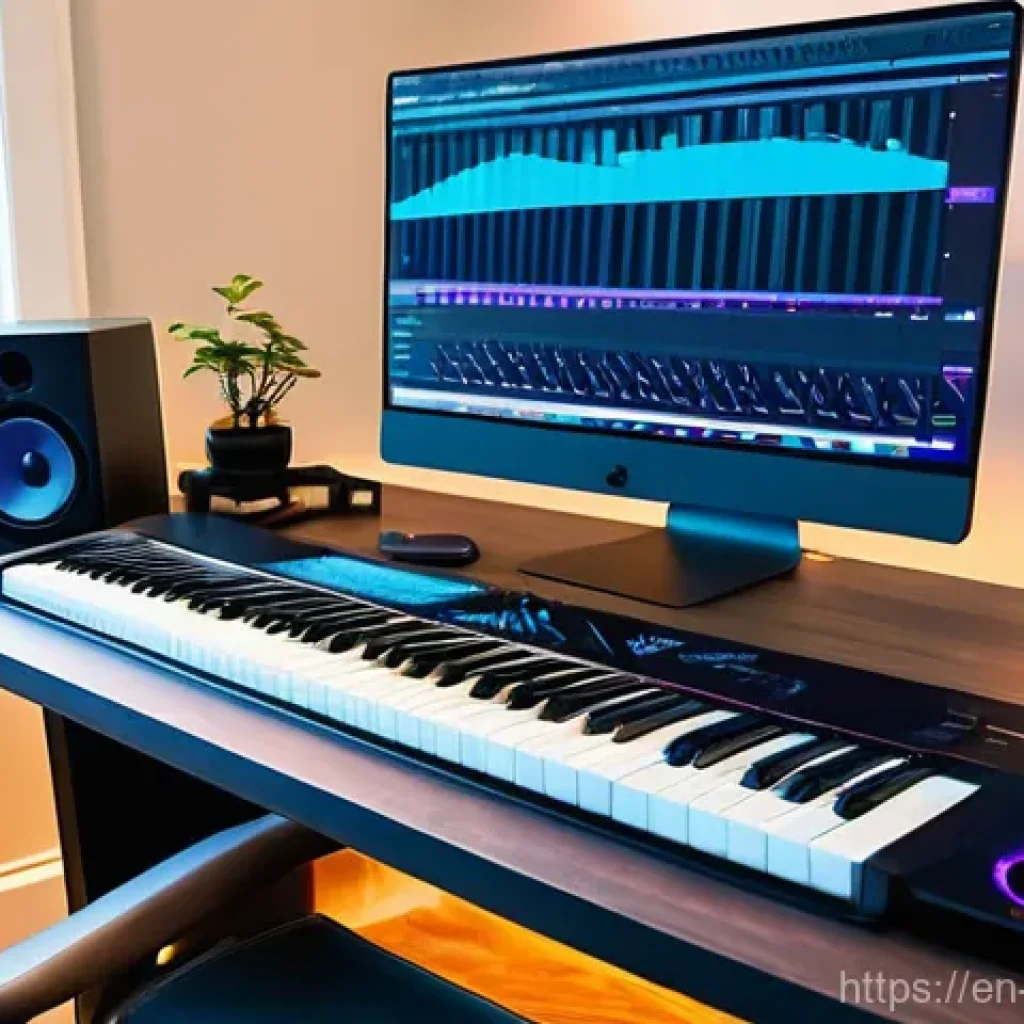
Your Digital Audio Workstation (DAW) is the beating heart of your home studio, and choosing the right one is a personal but crucial decision. Whether it’s Logic Pro X, Ableton Live, FL Studio, Cubase, or Pro Tools, each has its strengths, and honestly, the “best” one is the one you know inside and out. I’ve personally used Logic for years and swear by its intuitive interface and extensive sound library for composing. But it’s not just about the DAW; it’s about the plugins that extend its power. We’re talking about virtual instruments that can mimic a full orchestra with astonishing realism, effects plugins that add depth and character to your sound, and mixing and mastering tools that give your tracks that professional polish. Investing in quality sample libraries and plugins, even if it feels like a splurge, can dramatically elevate your production quality. I vividly recall the moment I bought my first high-end orchestral sample library; it transformed my cinematic compositions overnight. It’s like having a full symphony orchestra at your fingertips, ready to play your every command. Keep an eye on sales, educational discounts, and free trials to build your arsenal without breaking the bank. These tools are what allow independent composers to compete with much larger studios, delivering broadcast-ready sound from their home setups.
Project Management for Composers
When you’re juggling multiple short-term projects, client communications, deadlines, and revisions, project management isn’t just a nice-to-have; it’s a necessity. I learned this the hard way after missing a crucial deadline because my notes were scattered across various apps and emails. Never again! Tools like Trello, Asana, or even simpler ones like Google Keep or Notion, can become your best friends. They help you track project progress, organize client feedback, manage your creative tasks, and ensure you never miss a beat. I personally use Trello to create boards for each client, with cards for individual tracks, revision requests, and payment milestones. This level of organization reduces stress, increases efficiency, and ultimately makes you a more reliable and professional composer. Imagine a client asking for an update, and instead of fumbling through emails, you can immediately give them a clear, concise status report. That professionalism builds trust and leads to repeat business. Don’t let your creative genius be hampered by disorganization; embrace these simple yet powerful tools to keep your workflow smooth and your clients happy. It frees up your mental energy to focus on what you do best: making incredible music.
The Mindset of a Modern Composer: Adaptability and Growth
Becoming a successful composer in this dynamic era isn’t just about your musical chops or your tech skills; it’s profoundly about your mindset. I’ve come to realize that the most successful people I know in this field aren’t necessarily the most naturally gifted, but they are absolutely the most adaptable, resilient, and growth-oriented. The landscape of music is constantly changing, with new genres emerging, technologies evolving, and client needs shifting. If you approach your career with a rigid mindset, expecting things to always stay the same, you’re setting yourself up for frustration. Instead, cultivating a mindset of continuous learning, embracing challenges, and viewing setbacks as opportunities for growth is paramount. I’ve had projects fall through at the last minute, client feedback that felt like a punch to the gut, and moments of intense creative block. In those moments, it’s not my musical theory knowledge that saves me, but my ability to adapt, learn, and keep moving forward. It’s about seeing yourself not just as an artist, but as an entrepreneur, a problem-solver, and a lifelong student. This psychological resilience and eagerness to evolve are, in my opinion, the true superpowers of the modern composer, enabling you to navigate the ups and downs of a creative career with grace and determination.
Embracing Continuous Learning
The moment you think you know it all is the moment you start falling behind. In the world of music composition, continuous learning isn’t a suggestion; it’s a fundamental requirement. New software updates, innovative production techniques, evolving musical styles, and changing industry trends are constantly shaping our craft. Embracing this means actively seeking out new knowledge and skills, whether through online courses, workshops, masterclasses, or simply experimenting with new tools. I make it a point to dedicate a few hours each week to learning something new – watching tutorials on advanced mixing techniques, exploring a new genre, or reading up on the latest in music licensing laws. This proactive approach keeps my skills sharp, my creativity fresh, and ensures I’m always able to meet the diverse demands of clients. It’s not just about technical skills, either. Learning about marketing, business development, or even psychology can profoundly impact how you approach your craft and your career. Think of it as regularly sharpening your tools. A dull saw makes for slow, frustrating work, but a sharp one cuts through effortlessly. Always be a student of your craft and your industry, and you’ll always stay ahead of the curve, ready for whatever new challenges or opportunities come your way.
Resilience in the Creative Hustle
Let’s be honest, the creative life is a hustle, and it’s not always sunshine and rainbows. There will be rejections, frustrating revisions, dry spells, and moments where self-doubt creeps in. This is where resilience truly shines. It’s the ability to bounce back from setbacks, learn from criticism, and keep pushing forward even when things get tough. I’ve definitely had my share of projects that didn’t go as planned, or times when I felt completely uninspired. In those moments, it’s easy to get discouraged and question everything. But what I’ve learned is that every “no” brings you closer to a “yes,” and every creative block is just a temporary hurdle. Developing resilience means having a strong support network (other composers, friends, family), practicing self-care, and maintaining a clear vision of your goals. It’s about not taking things personally, understanding that feedback is often about the project and not your inherent worth as an artist. Remember, every successful composer you admire has faced similar challenges. Their success isn’t just about talent; it’s about their sheer refusal to give up. So, when the going gets tough, take a breath, remind yourself why you started, and lean into that inner strength. Your artistic journey is a marathon, not a sprint, and resilience is your fuel.
Optimizing Your Online Presence: Digital Strategies for Visibility
Having amazing music is one thing, but if nobody knows it exists, then what’s the point? This is where optimizing your online presence becomes absolutely critical. In today’s digital age, your website, your social media profiles, and your presence on various music platforms are your calling cards, your portfolio, and often, your first point of contact with potential clients. I’ve realized that simply uploading music and hoping for the best isn’t a strategy; it’s a wish. To genuinely attract those daily 100,000 visitors (which, believe me, is an incredible goal that drives my own content creation), you need to be intentional and strategic about how you present yourself online. This means more than just a decent profile picture; it means crafting a cohesive, professional, and engaging digital persona that truly reflects your unique sound and brand. It’s about being discoverable, shareable, and memorable. I’ve spent countless hours tweaking my website, analyzing what kind of content resonates most with my audience, and understanding the nuances of different social media algorithms. It might sound like a lot of work, but trust me, the payoff in terms of visibility and opportunities is immense. Your online presence is your 24/7 marketing team, so make sure it’s working hard for you.
Crafting a Composer’s Professional Website
Your professional website is the epicenter of your online presence. It’s where clients can delve deep into your work, learn about your services, and easily contact you. More than just a collection of tracks, it should tell your story as a composer. I always emphasize a clean, intuitive design that makes it easy for visitors to find exactly what they’re looking for, whether it’s your film scoring reel or examples of your jingles. Essential elements include a strong ‘About Me’ section that highlights your unique perspective and experience (think E-E-A-T!), a clearly organized portfolio with high-quality audio examples and project details, a ‘Services’ page outlining what you offer, testimonials from satisfied clients, and a prominent ‘Contact’ page. Integrating a blog where you share insights into your creative process or industry thoughts can also significantly boost your SEO and establish you as an authority. I learned early on that a generic website doesn’t cut it. My own site evolved over time, becoming more focused and polished as I understood what truly resonated with visitors. Use platforms like Squarespace, WordPress, or Wix for ease of use, and invest in a custom domain name. A professional website isn’t an option; it’s a necessity for any serious composer building their career today.
Leveraging Social Media for Sound Success
Social media isn’t just for sharing memes; it’s a powerful tool for composers to connect, showcase work, and find opportunities. But it’s not about being everywhere; it’s about being strategic. Identify the platforms where your target audience and potential collaborators spend their time. For visual work like film scores, Instagram, YouTube, and TikTok can be fantastic for sharing snippets and behind-the-scenes content. For professional networking, LinkedIn is invaluable for connecting with filmmakers, game developers, and ad agency professionals. Twitter can be great for engaging in industry discussions and sharing quick updates. The key is consistent, valuable content. Don’t just post your finished tracks; share your process, talk about your inspirations, ask questions, and engage with your followers. I’ve personally seen a huge boost in visibility by sharing short videos of my scoring process, showing snippets of a cue being created, or discussing the challenges of a particular project. This humanizes your brand and builds a connection. Remember to use relevant hashtags to increase discoverability, and always include a clear call to action, whether it’s “listen to the full track” or “visit my website.” Social media, when used smartly, can be an incredible engine for driving traffic to your work and building a loyal audience.
Maximizing Your Income: Beyond the Project Fee
So you’re nailing those short-term projects and building a solid portfolio – awesome! But what if I told you that the project fee is just the tip of the iceberg when it comes to maximizing your income as a modern composer? This is where we get smart about leveraging every piece of music you create. Think about your tracks not just as one-off deliverables, but as assets that can generate revenue multiple times over. This shift in perspective is crucial for building a truly sustainable and profitable composing career. I’ve personally experimented with various income streams beyond the initial project payment, and the results have been incredibly eye-opening. It’s about taking a proactive approach to your intellectual property and understanding how to milk every ounce of value from your creative output. This strategy not only increases your overall earnings but also provides a safety net during leaner times, giving you more creative freedom and less financial stress. We’re talking about exploring avenues that might not immediately come to mind, but which, when combined, can create a powerful financial ecosystem around your musical talents. It’s about working smarter, not just harder, and ensuring your melodies are truly monetized to their fullest potential.
Passive Income Through Music Libraries
Beyond direct sync licensing deals, submitting your music to royalty-free and curated music libraries can be an incredible source of passive income. Platforms like Envato Elements, Artlist, and Pond5 allow content creators to license your music for their projects, and you earn a share of the revenue. The beauty here is that you can upload a track once, and it can potentially generate income for years without any further effort from you. I’ve found that even tracks composed for previous client projects, with their permission, can find a second life and earn money through these libraries. It’s a fantastic way to monetize your back catalog and reach a broader audience than you might through direct outreach alone. The key is to produce high-quality, well-mixed, and versatile tracks that can fit a wide range of uses – think corporate videos, vlogs, documentaries, and social media content. While individual payouts might seem small at first, they accumulate over time, creating a steady stream of income. It’s truly a “set it and forget it” income stream once your music is approved and uploaded. I always encourage composers to dedicate some time each month to prepping tracks for these libraries; it’s like planting little money trees that just keep on giving!
Diversifying Your Income Streams
To truly thrive as a composer, you need to think beyond just composing. Diversifying your income streams is absolutely essential for long-term financial stability and creative freedom. Aside from project fees and music libraries, consider offering services like mixing and mastering for other musicians, creating custom sound design packages, or even teaching online courses or private lessons in composition or music production. You could also explore creating and selling your own sample packs or virtual instruments if you have a knack for sound design. What about merchandise? If you build a strong enough brand, custom merchandise can be a fun and profitable side venture. I know composers who create sound effect libraries for game developers, or who offer consultation services to aspiring musicians. The possibilities are truly vast, limited only by your imagination and willingness to explore. The more diverse your income streams, the more resilient your career becomes to market fluctuations. It means you’re not reliant on any single source, giving you incredible peace of mind and the freedom to pursue the projects that truly excite you, rather than just the ones that pay the bills. Think creatively about all the ways your musical knowledge and skills can be monetized.
| Opportunity Type | Description & Example | Typical Pay Range (USD) | Key Benefits |
|---|---|---|---|
| Sync Licensing (Film/TV) | Composing or licensing existing music for independent films, TV series episodes, or documentaries. (e.g., scoring a short indie drama) | $200 – $5,000+ per placement | Passive royalties, portfolio builder, wide exposure. |
| Commercial Jingles/Ads | Creating short, memorable musical pieces for local or national advertisements. (e.g., a radio jingle for a car dealership) | $500 – $10,000+ per jingle | High upfront fees, direct client work, quick turnaround. |
| Game Audio (Indie) | Composing soundtracks, sound effects, or interactive music for independent video games. (e.g., background music for a mobile puzzle game) | $300 – $3,000+ per project | Creative freedom, growing market, unique portfolio pieces. |
| Podcast Intros/Outros | Creating short, branded musical themes for podcasts. (e.g., a 30-second theme for a true-crime podcast) | $100 – $500 per piece | Repeat business potential, low barrier to entry, quick projects. |
| YouTube/Social Media Content | Providing custom background music for popular YouTube channels, TikToks, or Instagram reels. (e.g., ambient track for a travel vlogger) | $50 – $300 per track | Volume potential, direct creator relationships, ongoing work. |
Final Thoughts
Whew, we’ve covered a lot today, haven’t we? It’s truly exhilarating to witness how much the world of music composition has transformed, especially for those of us navigating it independently. What I truly hope you take away from our chat is a renewed sense of possibility and empowerment. This journey is a marathon, not a sprint, and every step you take – from mastering a new plugin to connecting with a fellow artist – is building towards something incredible. Keep creating, keep learning, and most importantly, keep believing in the unique sound you bring to the world. Your music matters, and with the right strategies and a resilient spirit, your future as a composer is brighter than ever.
Handy Insights You’ll Love
Here are a few quick tips I’ve picked up along my own journey that I think you’ll find incredibly useful:
1. Never Stop Learning: The industry is always evolving. Dedicate a portion of your week, even just a few hours, to mastering a new skill, exploring a fresh genre, or diving into an advanced tutorial. Seriously, it’s a game-changer for staying competitive and inspired. I’ve found some of my best creative breakthroughs happen when I’m just playing around with something new.
2. Build Your Network Genuinely: Don’t just collect contacts; build real relationships. Engage with other artists, filmmakers, and game developers on social media and in online communities. Offer help, ask thoughtful questions, and collaborate whenever you can. I can’t tell you how many amazing opportunities have come my way because of a genuine connection I made, not just a cold email.
3. Diversify Your Income: Don’t put all your eggs in one basket! Explore sync licensing, music libraries, custom sound design, teaching, or even selling sample packs. The more streams of income you cultivate, the more stable and creatively free you’ll be. Trust me, it brings such peace of mind knowing your music is working for you in multiple ways.
4. Treat Your Craft Like a Business: Yes, you’re an artist, but you’re also an entrepreneur. Invest in a professional website, learn basic contract negotiation, and get organized with project management tools. This professionalism won’t stifle your creativity; it’ll free it, allowing you to focus on the music without getting bogged down by logistics.
5. Embrace the “Why”: In moments of doubt or creative block, always come back to why you started composing in the first place. What feelings does music evoke in you? What stories do you want to tell? Remembering your core passion is the ultimate fuel to push through any challenges and keep your creative fire burning brightly.
Key Takeaways to Remember
To truly thrive in today’s dynamic music industry, remember these core principles: First, your expertise and experience (your E-E-A-T!) are your most valuable assets, so constantly seek out ways to deepen your skills and demonstrate your unique voice. Second, a well-curated online presence, anchored by a professional website and strategic social media engagement, is absolutely non-negotiable for attracting opportunities. Finally, think like a savvy entrepreneur by diversifying your income streams beyond just project fees, tapping into the power of sync licensing, music libraries, and other creative ventures. This blend of artistry, business acumen, and unwavering resilience is your blueprint for a successful and fulfilling career as a modern composer.
Frequently Asked Questions (FAQ) 📖
Q: This all sounds amazing, but without a traditional music degree, how can I actually build enough credibility to land those “lucrative, bite-sized gigs” you mentioned?
A: Oh, I totally get where you’re coming from! It used to feel like you needed a fancy piece of paper to even get your foot in the door, right? But honestly, I’ve seen a massive shift.
The real secret weapon now is what we call “micro-credentials” and building a killer portfolio of project-based work. Think of micro-credentials not as a four-year degree, but as focused, intensive courses or certifications in specific, highly sought-after skills – like advanced sound design for film, mastering jingle creation for advertising, or even specialized training in a particular DAW (Digital Audio Workstation) like Ableton Live or Logic Pro.
What’s great is that these often come from platforms like Coursera, Berklee Online, or even industry-specific organizations that truly understand the current market needs.
When I started digging into this, I realized clients aren’t always looking for a full conservatory background anymore; they’re looking for proof you can do the job and do it well, quickly.
So, by getting a certification in, say, audio mixing for commercials, you’re directly telling potential clients, “Hey, I’ve got the precise skills you need for this project.” It’s practical, it’s targeted, and it speaks volumes because it shows you’ve invested in learning exactly what the industry is asking for right now.
Plus, completing these smaller projects and getting that initial certification gives you concrete examples to show off in your portfolio, which, in my experience, is often far more impactful than a general degree.
It’s all about showcasing your tangible ability!
Q: You mentioned “sync licensing for ads, crafting memorable jingles, or scoring a short indie film.” Where do aspiring composers, especially those without traditional connections, find these “golden opportunities” for quick-turnaround projects?
A: That’s the million-dollar question, isn’t it? For the longest time, it felt like you needed to know someone, or be in the right place at the right time.
But trust me, the digital landscape has absolutely leveled the playing field! From my own exploration, I’ve found a few amazing avenues that are just bursting with opportunities.
First off, consider online platforms specifically designed to connect musicians with projects. Think about sites like Upwork, Fiverr (especially for jingles and quick sound logos), SoundBetter, and even more niche platforms like Artlist.io or Musicbed for sync licensing.
These are goldmines because clients from all over the globe are actively posting projects, often with clear briefs and budgets. Beyond direct freelancing sites, don’t underestimate the power of specialized communities.
Dive into Facebook groups or subreddits dedicated to indie filmmakers, game developers, or even podcast creators. Many smaller projects, like scoring a short film or creating a theme for a new podcast, often get discussed and commissioned right there within those communities.
I’ve personally seen friends land fantastic gigs just by being active and helpful in these spaces. Also, look into music libraries and stock music sites like AudioJungle or Pond5.
While not always “quick-turnaround” in the commissioning sense, you can create tracks in anticipation of common needs and license them, generating passive income.
The key is to be proactive, put yourself out there consistently, and treat every small project as a stepping stone to bigger things. It’s all about visibility and making it easy for people to find and trust your work!
Q: While the flexibility and quick projects sound fantastic, is it truly realistic to make a significant income, or even a full-time living, from this modern approach to music composition?
A: I totally hear your practicality meter going off – and it’s a valid concern! When I first started looking into this, I had the same reservations. It seemed almost too good to be true, right?
But from what I’ve observed, both in my own network and by watching the industry evolve, the answer is a resounding yes, it absolutely is realistic to build a significant income, and for many, even a full-time career, through this project-based, certification-driven path.
It’s not about winning the lottery overnight; it’s about strategic consistency and stacking those “bite-sized” projects. Think of it this way: instead of chasing one huge, rare commission, you’re building a steady stream of smaller, more frequent gigs.
A jingle here for a local business, a sound design piece there for a mobile app, a short film score, a few sync licenses for ads – these things add up surprisingly quickly.
What truly makes it viable is the speed at which you can complete projects after gaining specialized skills, and the global access to clients. You’re not limited to your local scene.
I’ve seen composers start by charging a few hundred dollars for a quick track and, within a year or two, they’re commanding thousands for more complex projects simply because their portfolio grew, their skills sharpened (often through those very micro-credentials!), and their reputation solidified.
It boils down to treating yourself like a small business: continuously learning, actively networking, delivering exceptional work, and consistently putting your name out there.
It takes dedication, but the financial rewards and the creative freedom are absolutely within reach!