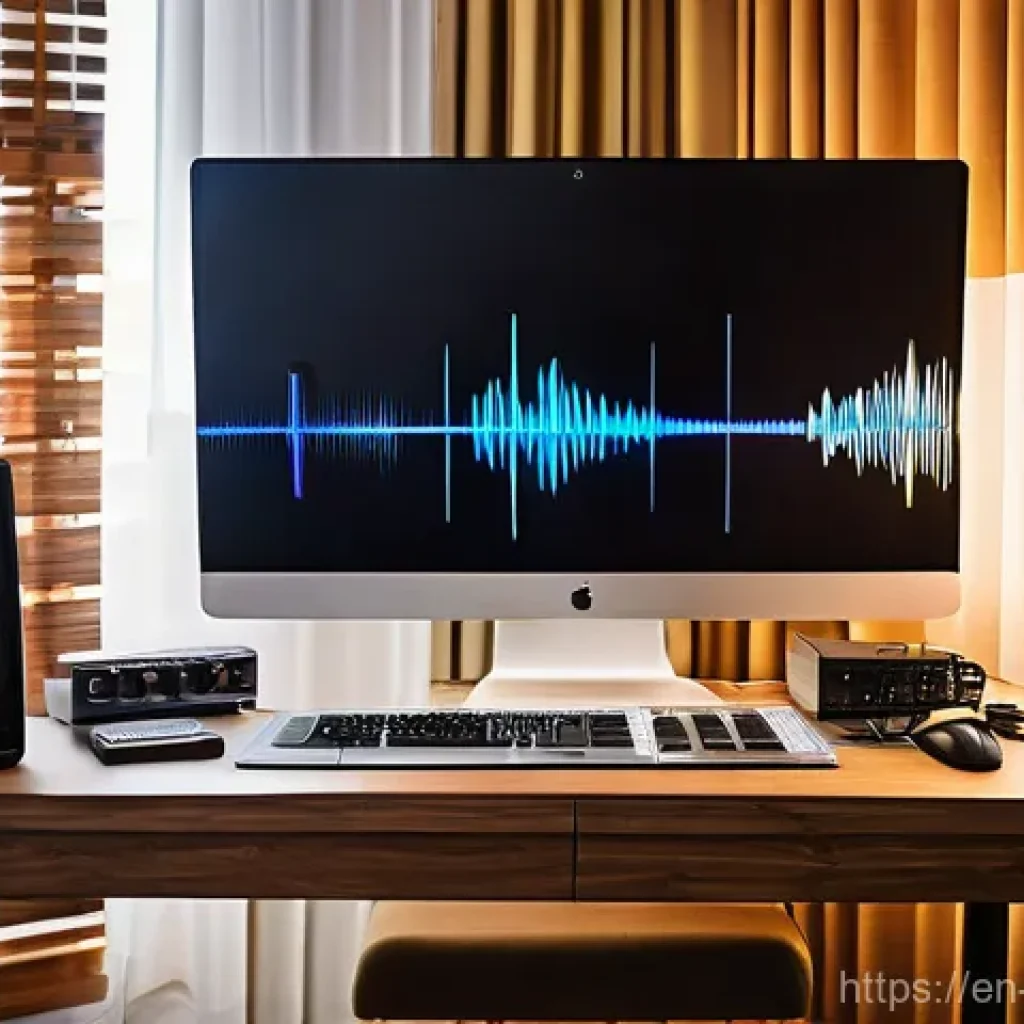
Building your own music studio as a composer? It’s more than just fancy gear and a quiet room—it’s about transforming your passion into a thriving business in today’s dynamic music scene.
I’ve personally seen how the industry has shifted, making it both easier and more complex for independent creators to make their mark. With AI tools now able to analyze tracks and suggest harmonies in seconds, and cloud-based studios opening doors to global collaboration, the way we create and monetize music is evolving faster than ever.
Whether you’re dreaming of scoring films, producing for other artists, or crafting your own unique sound, understanding the business side, from licensing your masterpieces to navigating streaming platforms, is absolutely crucial for success.
It’s not just about composing; it’s about strategically building a brand and a sustainable income stream in a world where new music floods platforms daily.
Let’s dive in and truly unlock the potential of your composer’s license and studio.
Crafting Your Creative Hub: Beyond the Basics

Stepping into the world of professional composing from your own studio is an incredible journey, and honestly, it’s far more nuanced than just grabbing the latest gear. I remember starting out, thinking that the most expensive microphone would magically make my compositions brilliant. Oh, how wrong I was! It’s really about creating an environment where your creativity can truly flourish, and where you have the tools to capture every spark of inspiration with clarity. You need a setup that not only sounds good but also feels like a natural extension of your artistic process. It’s a space where you can experiment freely, iterate quickly, and produce high-quality work consistently. This means going beyond just buying gadgets and actually understanding how each piece of your studio contributes to your overall sound and workflow. Trust me, I’ve learned this the hard way, sifting through countless reviews and making my fair share of regrettable purchases before finding what truly works.
Essential Gear for a Pro Sound
When it comes to putting together your studio, you don’t need to break the bank from day one, but investing wisely in core components is a game-changer. I always tell aspiring composers to prioritize their computer, a solid audio interface, reliable studio monitors, and a versatile microphone. Your computer is the brain of your operation; you’ll want one with a fast processor and ample RAM to handle complex projects and numerous plugins without a hitch. I personally found that upgrading to 16GB of RAM made a noticeable difference in my workflow, especially when I started piling on orchestral libraries and intricate effects. Next, an audio interface is your bridge from the analog world to the digital realm. A good one will give you clean recordings and playback. Don’t skimp on studio monitors, either! They’re your ears into the mix. Unlike consumer speakers, professional studio monitors aim for a flat frequency response, giving you an uncolored, honest representation of your sound. I once tried to mix on regular desktop speakers, and my mixes sounded totally different everywhere else – a rookie mistake I quickly rectified. Finally, a decent all-around condenser microphone can serve you well for capturing everything from vocals to acoustic instruments. Building this foundation correctly will save you headaches and help you achieve that polished, professional sound.
Acoustic Alchemy: Taming Your Room
Here’s a secret that many new composers overlook: your room is just as much a part of your studio as your equipment. A great microphone in a bad room will still sound bad, trust me on this. I learned that lesson when I first recorded a demo in a bare, rectangular room and was horrified by the echo and muddy bass. Acoustic treatment isn’t just for fancy commercial studios; it’s absolutely vital for anyone wanting a professional sound. You don’t need to hire an expensive acoustician right away. Starting with heavy curtains, thick rugs, and strategically placed bookshelves can make a huge difference in absorbing unwanted reflections. Bass traps are particularly important for taming low-end rumble, which can really mess with your mix decisions. Even simple DIY panels made from Roxul or Owens Corning 703 wrapped in fabric can dramatically improve your room’s sound. The goal is to create a neutral listening environment where you can trust what you’re hearing from your monitors. Remember, if your room is lying to you, your mixes will too!
Demystifying Music Licensing: Protecting Your Art & Income
Alright, let’s talk business, because as composers, our music isn’t just art; it’s intellectual property, and it has real value. Navigating the world of music licensing can feel like deciphering ancient hieroglyphs, but it’s absolutely essential for protecting your creative work and, more importantly, ensuring you get paid for it. I used to feel overwhelmed by all the jargon – PROs, mechanicals, syncs, oh my! But once I understood the basics, it clicked. It’s about giving others permission to use your music under specific terms, and in return, you get compensated. This isn’t just some abstract legal concept; it’s how you turn your passion into a sustainable career. For a long time, I just focused on creating, thinking the money would magically follow. That was a naive approach, and frankly, I probably left a good chunk of change on the table. Learning the ins and outs of licensing has been one of the most empowering steps I’ve taken in my career.
Navigating Performance and Mechanical Royalties
When your music is played publicly – whether it’s on the radio, TV, in a café, or even streamed online – you’re generally owed performance royalties. This is where Performing Rights Organizations (PROs) like ASCAP, BMI, and PRS for Music in the UK come in. They collect these royalties on behalf of composers and publishers and distribute them. Registering your compositions with a PRO is one of the first crucial steps you should take. It’s free for writers to join ASCAP, for example, and they even waive the publisher application fee if you join as both writer and publisher simultaneously. Then there are mechanical royalties, which are generated when your music is reproduced, like when a physical copy (CD, vinyl) is made, or when it’s streamed interactively on platforms like Spotify. The Mechanical Licensing Collective (MLC) in the US handles these for digital audio. I personally make sure all my works are registered with my PRO and the MLC because those payments, though sometimes small per stream, really add up over time. It’s like having a silent business partner working to collect money for you while you focus on making more music.
The Power of Sync Licensing
This one is a big deal for composers, especially in today’s visual-first world. Sync (synchronization) licensing is when your music is paired with visual media, like films, TV shows, commercials, video games, or even YouTube videos. A single sync placement can bring in a significant one-time payment, often eclipsing years of streaming revenue. I’ve had friends land placements in commercials that completely changed their financial outlook, giving them the breathing room to focus solely on their craft. To get into sync licensing, you usually need to work with music libraries, sync agents, or even pitch directly to production companies. They’ll secure a sync license from you (or your publisher) and a master license from the sound recording owner (which could also be you if you own your masters). The fees are custom-negotiated and depend on a lot of factors, like the project’s budget, the prominence of the music, and the media where it will be used. It can seem daunting, but platforms like Musicbed specialize in this, and understanding these agreements is key to maximizing your income. It’s about strategically crafting music that has “sync potential” – think evocative moods and clear themes.
Unlocking Diverse Revenue Streams: More Than Just Streaming
Let’s be real, relying solely on streaming royalties to build a thriving music career today is like trying to fill a bathtub with a leaky faucet. I’ve been there, staring at those microscopic royalty statements, wondering how I was ever going to make ends meet. That’s when I realized the game has completely changed. Sustainable success for composers in 2025 isn’t about hitting one viral song; it’s about building a robust ecosystem of income streams. The most resilient independent artists I know are constantly diversifying, finding creative ways to monetize their skills and their art that go far beyond what a Spotify stream will ever pay. It’s about being an entrepreneur as much as it is being a composer, and frankly, that mindset shift was huge for me. It transformed how I viewed my music and my career – not just as a creator, but as a business owner.
Exploring Beyond Traditional Royalty Checks
While performance and mechanical royalties are foundational, there’s a whole world of other income out there. Have you considered offering your composition or production services to other artists? I’ve picked up session work, crafting bespoke pieces for indie filmmakers, and even ghost-composing for commercial projects. Platforms like AirGigs allow you to sell your skills as a session musician or composer directly. Teaching is another fantastic avenue; online platforms make it easier than ever to offer lessons, workshops, or even masterclasses. I started a small online course on advanced orchestration techniques, and it’s been a surprisingly stable income source, plus it helps build my authority. Merchandise sales, especially unique items related to your music, can also be a strong earner, particularly for fans who want to directly support you. Think beyond t-shirts to sheet music arrangements, custom sound packs, or exclusive digital content.
Building a Fan-Centric Economy
This is where the magic really happens for independent artists. Instead of chasing millions of fleeting streams, focus on cultivating a smaller, highly engaged fanbase. Crowdfunding platforms like Patreon and Kickstarter allow your most dedicated fans to directly support your creative process, often through monthly subscriptions or project-based funding. I know a composer who funds entire album projects through Patreon, offering early access to demos, behind-the-scenes content, and even personalized scores to her patrons. This direct-to-fan model creates a much more predictable and meaningful income stream than relying on the whims of streaming algorithms. It builds community, fosters loyalty, and makes your fans feel like they’re a part of your journey, which is incredibly powerful. Physical media, like vinyl, has also seen a renaissance, offering higher per-unit revenue than digital streams and a tangible item for fans to cherish. Remember, it’s not just about the music itself, but the entire experience you create around it.
| Revenue Stream | Description | Typical Monetization |
|---|---|---|
| Streaming & Sales | Digital platforms (Spotify, Apple Music, Bandcamp) and direct digital sales. | Small per-stream royalties (often < $0.01), higher for direct sales. |
| Sync Licensing | Music used in film, TV, ads, video games, YouTube, etc. | One-time fees, potentially substantial; ongoing royalties depending on usage. |
| Performance Royalties | Public broadcast/performance of compositions (radio, TV, venues). | Collected by PROs (ASCAP, BMI, PRS) and distributed periodically. |
| Mechanical Royalties | Reproduction of compositions (physical sales, interactive streams). | Collected by MLC (US) or similar bodies, distributed per unit/stream. |
| Direct Fan Support | Patreon, Kickstarter, fan club subscriptions, exclusive content. | Recurring monthly income, project funding, high profit margins. |
| Teaching/Workshops | Offering lessons, masterclasses, or educational content. | Hourly rates, course fees, builds authority. |
| Session Work/Production | Composing for hire, producing for other artists, film scoring. | Project-based fees, hourly rates. |
| Merchandise | Physical products (vinyl, CDs, apparel, sheet music). | Direct sales profit, strengthens fan connection. |
Strategic Branding: Making Your Musical Voice Heard
Okay, let’s talk about something incredibly personal but equally vital: your brand. When I first started out, I thought “branding” was just for big corporations, not for a humble composer like me. I just wanted my music to speak for itself! But the truth is, in today’s crowded digital landscape, where new music floods platforms daily, having a distinctive personal brand isn’t a luxury; it’s a necessity. It’s how people connect with *you* as an artist, not just your notes and melodies. Your brand is your story, your aesthetic, your unique perspective – it’s what makes you stand out and resonate with an audience. I learned that my quirky sense of humor and my love for combining classical elements with electronic textures became part of my brand, and people started recognizing it. It’s about being authentic, consistent, and giving people something to latch onto beyond just a good tune.
Defining Your Unique Sonic Identity
Your musical identity is at the heart of your brand. What makes your sound unmistakably *yours*? Is it a particular instrumentation you favor, a unique harmonic language, or a storytelling approach that runs through your compositions? Take some time to really nail this down. I remember agonizing over whether my cinematic scores and my ambient electronic pieces could coexist under one brand. Eventually, I realized that the underlying emotional depth and textural richness were the common threads. That became my “unique voice.” Once you identify what sets you apart, you need to communicate that consistently across all your platforms – your website, social media, press kits, and even your album art. Your brand isn’t just about what you say; it’s about what you consistently deliver. Think about artists whose music you can identify within the first few seconds; that’s the kind of sonic identity you’re striving for. It takes introspection and a lot of honest feedback, but it’s worth the effort.
Engaging Your Audience Authentically
A strong brand isn’t built in a vacuum; it’s built through genuine connection. I used to shy away from social media, feeling like it was just a popularity contest. But I’ve since realized it’s a powerful tool for building a loyal fanbase. It’s not about constantly self-promoting; it’s about regularly interacting with your fans, sharing your creative process, and truly listening to their feedback. Engage with comments, respond to messages, and show a little bit of your personality. Live streams of your composing process, Q&A sessions, or even just sharing snippets of your daily studio life can create incredibly authentic connections. I’ve found that my fans appreciate seeing the human behind the music, the struggles and triumphs of creating. It helps them feel invested. Building a brand is a marathon, not a sprint. It requires consistency, patience, and a willingness to be vulnerable. But when done right, it transforms casual listeners into devoted supporters who will champion your work far and wide.
The AI Evolution: Friend or Foe for Composers?
Let’s address the elephant in the studio, shall we? Artificial Intelligence. It’s been a hot topic, and for many composers, it brings a mix of excitement and apprehension. I’ve personally experimented with a few AI music tools, and I can tell you, they’re not here to replace us, but they are absolutely reshaping how we create and monetize music. It’s like the advent of synthesizers or DAWs – a new tool that, when wielded effectively, can open up entirely new creative possibilities. The industry is evolving at lightning speed, with AI tools now capable of generating melodies, suggesting harmonies, and even assisting with mastering in seconds. It’s a brave new world, and honestly, ignoring it isn’t an option. The key is to understand how to leverage these powerful tools to your advantage, rather than fearing their potential impact.
Leveraging AI for Enhanced Creativity and Workflow
From what I’ve seen, AI can be an incredible creative partner. I’ve used AI melody generators to break through writer’s block, giving me fresh starting points I might not have conceived on my own. Tools like AIVA or Mureka can generate music in specific styles, moods, and tempos, allowing you to quickly prototype ideas or create background scores for projects without extensive manual effort. For independent artists, this can be a huge time and cost saver, reducing the need for expensive studio time for demos. Imagine needing a quick backing track for a social media video; AI can whip one up that’s royalty-free and perfectly suited. Some AI mastering services, like LANDR, use advanced algorithms to give your tracks a polished, release-ready sound, which is a massive help if you’re not a mastering engineer yourself. I’ve found these tools particularly useful for refining my mixes and getting a professional sheen on my tracks before sending them out. It’s about streamlining the technical aspects so I can focus more on the artistic vision and emotional core of my compositions.
Understanding AI’s Impact on Copyright and Monetization
Now, this is where things get a bit complex, and rightly so, there are concerns about copyright and fair compensation for human artists. When AI systems are trained on existing music, often without the original creators’ consent, questions of ownership inevitably arise. Several legal battles are ongoing, and the regulatory landscape is still forming. However, some platforms are proactively addressing this. LANDR, for instance, has introduced a “FairTrade AI Program” where artists can opt-in to license their music for AI training, potentially earning a share of future revenue. Boomy also allows you to monetize AI-generated songs with full commercial rights. My advice? Stay informed about these developments and always read the terms and conditions when using AI music tools, especially concerning commercial use and copyright ownership. The goal is to ensure that human creativity remains valued and compensated, and that AI serves as an assistive tool rather than a replacement. It’s an exciting, albeit challenging, time to be a composer!
Building Your Network: Collaboration and Community
When I first started, I was pretty introverted about my music. I’d spend hours alone in my studio, meticulously crafting every note, convinced that my art should exist in a bubble. But what I quickly learned is that isolation is the enemy of artistic growth and, frankly, business success. The music world, even in its digital form, is deeply human and interconnected. Every significant step forward in my career, every exciting new project, has come through a connection, a conversation, or a collaboration. It’s about finding your tribe, learning from others, and opening yourself up to possibilities you might never discover on your own. It’s less about cutthroat competition and more about mutual support and shared journeys, especially in the independent scene. Building a strong network isn’t just about getting gigs; it’s about finding mentors, making friends, and enriching your own creative spirit.
Forging Industry Connections That Matter
Networking isn’t just about schmoozing at industry events, though those can certainly help. It’s about building genuine relationships. I started small, attending local open mic nights, reaching out to other composers whose work I admired, and joining online communities focused on music production and scoring. Platforms like SoundBetter, where you can hire and be hired by other musicians, engineers, and producers, are fantastic for connecting with professionals. Don’t be afraid to collaborate with artists across different genres; it expands your reach and pushes your creative boundaries. One of my most interesting projects came from a casual chat with a filmmaker at a coffee shop – who knew that everyday interactions could lead to such exciting opportunities? I’ve also found immense value in connecting with music supervisors, who are key gatekeepers for sync licensing opportunities. It takes time, consistency, and a sincere interest in others’ work, but these relationships are truly invaluable.
The Power of Strategic Partnerships
Beyond individual connections, think about strategic partnerships. This could mean collaborating with a digital music distributor like DistroKid, TuneCore, or Symphonic to get your music onto streaming platforms and collect royalties. These services often offer promotional tools and help you manage your releases effectively. Or perhaps partnering with a small independent label that aligns with your artistic vision. Joining a collective or a music-focused community, whether online or in person, can also provide a support system, shared resources, and new opportunities. For instance, the Mechanical Licensing Collective (MLC) and Performing Rights Organizations (PROs) are essential partners for ensuring you collect all due royalties. I’ve also seen composers team up to create sample libraries or production music catalogs, leveraging their combined expertise. It’s about recognizing that you don’t have to do everything alone. By strategically partnering with others, you can amplify your reach, streamline your business operations, and ultimately focus more on what you do best: composing incredible music.
글을 마치며
Whew! We’ve covered a lot of ground today, haven’t we? From the nitty-gritty of setting up your studio to the exciting, sometimes daunting, world of music licensing, branding, and even the future with AI, it’s clear that building a lasting career as a composer is a multifaceted journey. Remember, every master began as a beginner, and every challenge is just an opportunity to learn and grow. Don’t be afraid to experiment, make mistakes, and constantly refine your approach. The most crucial ingredient is your passion, so keep that flame burning bright, keep creating, and never stop believing in the unique voice only you possess. I truly hope these insights help you navigate your own incredible path in the music world!
알아두면 쓸모 있는 정보
Here are a few nuggets of wisdom I’ve picked up along the way that I truly wish someone had told me sooner. These aren’t just theoretical tips; they’re strategies I’ve personally applied that have made a tangible difference in my journey as a composer, helping me avoid common pitfalls and seize unexpected opportunities. Implementing even a few of these can significantly streamline your creative process and boost your professional trajectory, moving you from aspiring artist to a truly sustainable creative professional. Remember, consistency and a willingness to learn are your most powerful assets.
1. Prioritize Acoustic Treatment Over More Gear: I cannot stress this enough – your room is half your studio. I’ve seen countless new composers blow their budget on fancy microphones and expensive plugins, only to be disappointed by muddy mixes and boomy bass. Trust me, I made that mistake early on, thinking a new piece of hardware would magically fix everything. Instead, invest in bass traps and absorption panels. Even DIY solutions can dramatically improve your monitoring environment, giving you a far more accurate representation of your sound. It’s a foundational step that impacts every single piece of music you create, ensuring your artistic vision isn’t distorted by your listening space. You’ll save yourself endless headaches in the mixing and mastering stages.
2. Actively Manage Your Rights and Royalties: Don’t wait for someone else to do it. As soon as you complete a track, ensure it’s registered with your relevant Performing Rights Organization (PRO) like ASCAP or BMI, and the Mechanical Licensing Collective (MLC) if you’re in the U.S. This isn’t just a formality; it’s how you ensure you’re compensated when your music is played publicly or streamed. I remember thinking this was all too complex, but once I dove in, I realized it’s a straightforward process that safeguards your income. Missing this step means leaving money on the table, and over time, those small sums can really add up, providing a crucial safety net for your creative endeavors. Stay proactive about protecting your intellectual property.
3. Cultivate Multiple Revenue Streams Beyond Streaming: Relying solely on streaming royalties is a recipe for financial stress for most independent artists. I personally found myself constantly worried about income until I diversified. Explore sync licensing for film, TV, and games; offer your unique composition or production services to other artists; consider teaching or creating sample packs; and crucially, build a direct-to-fan model through platforms like Patreon. This multi-pronged approach not only creates a more stable income but also opens up diverse creative opportunities. It’s about building a robust business around your art, rather than just waiting for algorithmic luck, giving you more freedom to create without constant financial pressure.
4. Embrace Genuine Collaboration and Networking: The music industry thrives on connections, and isolation can be detrimental to your growth. Seek out opportunities to collaborate with other musicians, filmmakers, and even visual artists. Attend industry workshops, join online communities, and genuinely engage with others’ work. Every significant breakthrough in my career has stemmed from a conversation or a shared project with someone I connected with. These relationships aren’t just transactional; they provide mentorship, support, and unexpected pathways for your music. It’s about finding your tribe and lifting each other up, creating a richer, more fulfilling artistic journey.
5. Leverage AI as a Creative Assistant, Not a Replacement: The advent of AI in music can feel intimidating, but it’s a tool, not a competitor. I’ve personally found AI useful for breaking creative blocks, generating fresh melodic ideas, or even assisting with mastering for quick demos. Tools are constantly evolving, and by staying informed and experimenting responsibly, you can integrate AI to streamline tedious tasks, allowing you to focus your energy on the unique, human elements of your composition that only you can bring. Just be mindful of copyright implications and always prioritize your unique artistic voice. It’s an exciting frontier that, when navigated wisely, can expand your creative toolkit immensely.
중요 사항 정리
To truly thrive as a composer in today’s dynamic music landscape, remember that your journey is a blend of artistic passion and astute business strategy. First, optimize your creative environment by prioritizing acoustic treatment, as a neutral listening space is paramount for accurate production. Second, meticulously manage your intellectual property by promptly registering your works with PROs and MLCs to secure your rightful earnings. Third, diversify your income streams beyond streaming royalties, exploring sync licensing, direct fan support, and offering your services to build financial resilience. Fourth, cultivate authentic connections and collaborations, as networking is the lifeblood of opportunity and growth in this interconnected industry. Finally, stay adaptable and curious about emerging technologies like AI, using them as tools to enhance your workflow and creativity, rather than fearing their potential. By integrating these principles, you’re not just making music; you’re building a sustainable and fulfilling creative career, ensuring your unique voice resonates far and wide. Keep pushing your boundaries and enjoying the process!
Frequently Asked Questions (FAQ) 📖
Q: How can I, as a composer, effectively turn my home studio into a legitimate, income-generating business instead of just a hobby?
A: Oh, this is such a common question, and one I’ve seen countless artists grapple with! It’s exciting to transform your passion into a livelihood, but let’s be real, it takes a strategic mindset beyond just perfecting your craft.
From what I’ve personally experienced and observed with many successful composers, the first step is really about defining your unique sound and who it’s for.
Think of it like this: are you scoring for indie films, crafting jingles for commercials, creating ambient soundscapes for video games, or maybe producing tracks for other artists?
Nailing down your niche makes marketing so much easier because you know exactly who to talk to and where to find them. Once you have that clarity, it’s all about professionalizing your presence.
This means having a polished website that showcases your best work—a sort of digital portfolio that screams “I’m serious!” You’ll want to create an Electronic Press Kit (EPK) too, a concise package with your bio, music samples, and contact info, ready to send to potential clients.
Remember, first impressions count, and a professional image builds trust. Next, you absolutely have to network, and I mean really network. Connect with filmmakers, game developers, ad agencies, and even other musicians.
Attend online industry events, join relevant forums, and don’t be shy about reaching out directly. Many of my best opportunities came from conversations that started informally.
It’s about building genuine relationships, not just chasing a quick buck. And here’s a crucial one: think beyond just composing your own music. Your studio can offer a range of services!
Could you mix tracks for other artists? Do sound design for podcasts? Offer your expertise as a consultant?
Diversifying your services creates multiple income streams and stabilizes your business. I’ve found that offering these “adjacent” services not only brings in consistent revenue but also broadens your network even further.
Finally, consistency is key. Keep creating, keep learning, and keep putting your work out there. The more you produce and share, the more opportunities will naturally come your way.
It’s a marathon, not a sprint, but incredibly rewarding when you see your passion truly sustain you.
Q: With so many new tools like
A: I and cloud studios emerging, what’s the best way for an independent composer to stay competitive and relevant? A2: The landscape is indeed shifting at warp speed, isn’t it?
When AI music tools first started popping up, I admit, I was a little skeptical, maybe even a bit nervous. But what I’ve discovered, and what I deeply believe, is that these aren’t here to replace us; they’re here to augment us.
To stay competitive, we composers need to embrace AI as a powerful collaborative partner, not fear it. Think of it as having an incredibly efficient assistant in your studio.
I’ve personally started using AI for things like generating initial melodic ideas when I’m feeling a creative block, or exploring different harmonic progressions I might not have considered.
Tools that analyze existing music can also give you fresh perspectives on your own work. It’s truly amazing how quickly they can lay down a foundation, allowing me to focus my precious creative energy on the unique human elements: the emotion, the narrative, the unexpected twists that only a human can truly craft.
This efficiency means I can complete projects faster, take on more work, and even dedicate more time to honing my artistic voice. Then there’s the whole world of cloud-based studios.
Oh my goodness, this has been a game-changer! Gone are the days of sending huge files back and forth and dealing with compatibility issues. Cloud platforms let you collaborate seamlessly with artists, producers, or directors from literally anywhere in the world.
It’s opened up doors to international projects I could only dream of before. The ability to scale your studio resources up or down as needed, without massive upfront investment in hardware, is incredibly empowering for independent creators.
The trick is to stay curious and keep learning. The tools are evolving daily, so dedicating a bit of time each week to exploring new software or platforms will keep you at the forefront.
Your unique artistic vision, your emotional intelligence, and your storytelling ability are still your superpowers. AI can help you execute faster and explore more, but it’s your voice that makes the music truly resonate.
Embrace these technologies, integrate them smartly into your workflow, and you’ll find yourself not just staying relevant, but truly thriving.
Q: What are the most practical and profitable ways for composers to monetize their music beyond traditional album sales or live performances?
A: Okay, let’s talk about the real bread and butter for modern composers, because relying solely on album sales or concert tickets these days can be a tough road.
I’ve learned, often through trial and error, that diversification is absolutely key to building a sustainable income. And honestly, it’s thrilling to see how many avenues are open to us now!
The absolute biggest game-changer for many composers, including myself, is music licensing. This is where your music gets used in films, TV shows, commercials, video games, or even YouTube videos.
There are different types: sync licenses for visual media, mechanical licenses for reproductions (like streaming or downloads), performance licenses for public broadcasts, and master use licenses for specific recordings.
It sounds complex, but organizations like Performing Rights Organizations (PROs) and specialized music libraries are designed to help you navigate this.
Registering your music with a PRO like ASCAP, BMI, or PRS, and submitting your tracks to reputable music libraries can open up significant, often passive, income streams.
I’ve had tracks I composed years ago still generating royalties because they’re being used in various media, which feels like a lovely surprise in my bank account!
Of course, streaming platforms like Spotify, Apple Music, and YouTube Music are essential. While individual per-stream payouts can seem small, they add up, especially if you focus on consistent releases and good promotion to get your music onto playlists.
And don’t underestimate YouTube! Beyond just streaming, you can monetize your videos directly with ads, offer channel memberships for exclusive content, or even get Super Chats during live streams.
Lyric videos, behind-the-scenes content, or even tutorials using your music can become fantastic revenue generators. Another powerful avenue is direct-to-fan platforms like Bandcamp or Patreon.
These allow you to sell your digital downloads and physical merchandise directly to your most loyal supporters, often at a much higher profit margin than traditional distributors.
On Patreon, you can offer exclusive content—early access to new tracks, stems, or even personal video messages—for a monthly subscription. This builds a strong, engaged community that genuinely supports your work.
Finally, consider leveraging your expertise. Could you offer online music lessons, host a songwriting workshop, or create a course on film scoring? Sharing your knowledge not only creates an additional income stream but also solidifies your authority and trustworthiness in the industry.
It’s all about thinking creatively and seeing every piece of music and every skill you possess as a potential asset. The more diverse your income streams, the more resilient and prosperous your composer’s career will be.