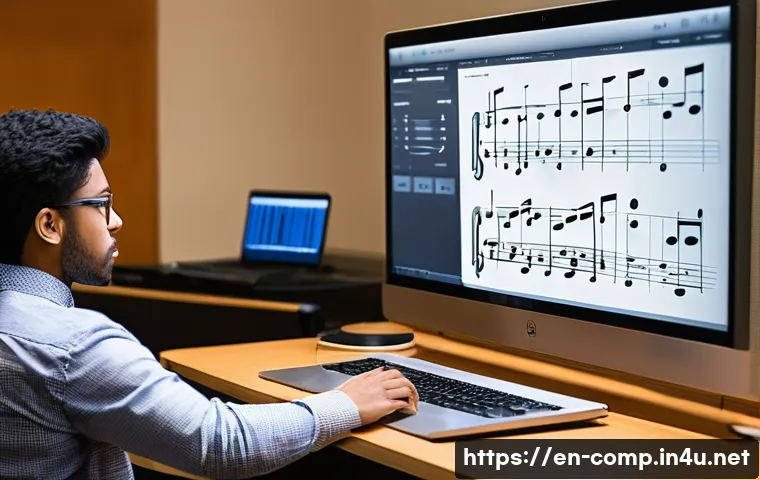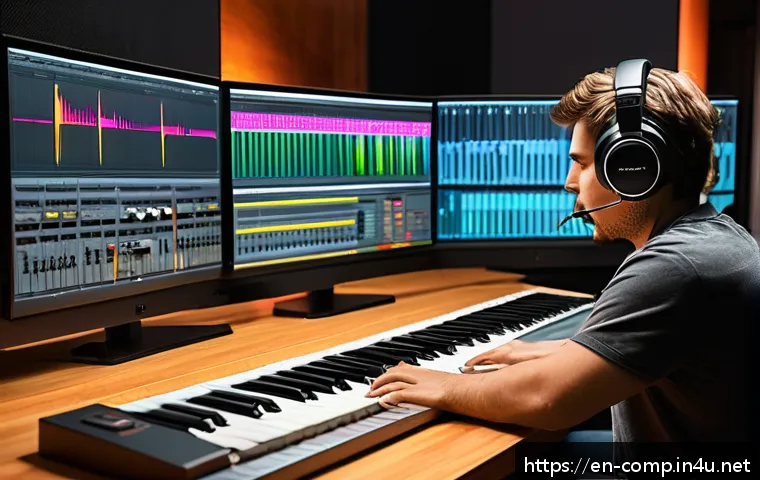
In today’s rapidly evolving music industry, standing out requires more than just talent—it demands a unique blend of skills and credentials. With the rise of digital platforms and advanced production technology, combining composer certification with sound engineering expertise has become a game-changer for aspiring music professionals.
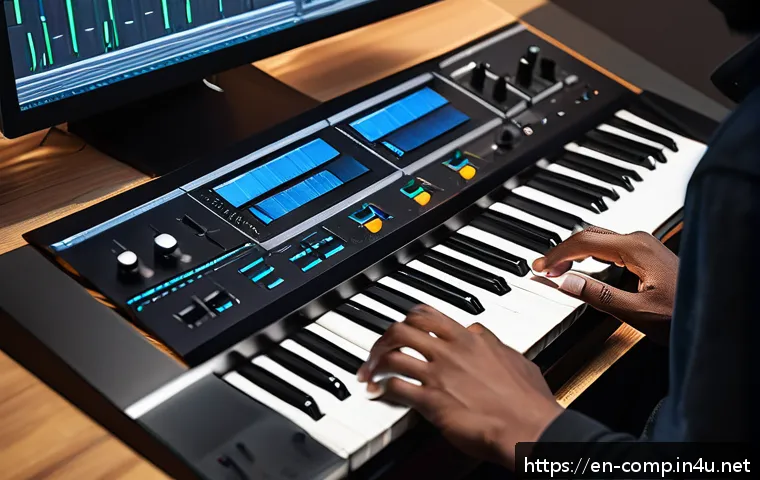
If you’ve been wondering how to elevate your career and unlock new opportunities, this approach might just be the key. Let’s dive into why mastering both composition and sound engineering can set you apart in a competitive field, and how it aligns with current trends shaping the future of music production.
Stick around—you won’t want to miss the insights that could transform your creative journey.
Expanding Your Creative Toolbox: Why Dual Expertise Matters
Bridging Composition and Technical Mastery
Mastering both music composition and sound engineering gives you an edge that purely creative or technical skills alone can’t match. When you write a piece and understand how it will be shaped in the mixing process, you anticipate how your melodies and harmonies will translate in real-world listening environments.
This foresight means you can craft music that not only sounds great on paper but also resonates powerfully after production. I’ve noticed firsthand that composers who grasp the technical side can troubleshoot problems early, saving time and avoiding costly studio sessions.
Versatility in a Changing Industry Landscape
The music industry is no longer segmented into strict roles; flexibility is king. Having dual expertise means you can take on multiple roles within a project—from initial songwriting to final mastering.
This versatility opens doors to freelance gigs, collaborations, and positions in emerging fields like gaming or VR audio. It’s like having two passports: one lets you into the creative world, the other unlocks technical opportunities.
I’ve met artists who initially struggled to break in but skyrocketed their careers after picking up sound engineering skills alongside composition.
Greater Control Over Your Artistic Vision
When you compose and engineer your own music, you retain creative control every step of the way. Instead of relying heavily on others, you can shape the tone, texture, and dynamics exactly as you imagined.
This autonomy often leads to more authentic and satisfying results, which audiences can feel. From my experience working on personal projects, being involved in both aspects reduces frustration and miscommunication, making the entire process smoother and more rewarding.
Understanding the Key Skills That Complement Each Other
Musical Theory Meets Acoustic Science
Composition requires a deep understanding of melody, harmony, and rhythm, while sound engineering demands knowledge about acoustics, signal flow, and audio effects.
Together, these skills allow you to predict how musical elements will interact with technology. For example, knowing how EQ affects certain frequencies helps you write parts that don’t clash sonically.
I’ve found that this combined knowledge helps me compose pieces that naturally “fit” into a mix, avoiding the need for excessive post-production fixes.
Software Fluency and Creative Workflow
Modern music production relies heavily on digital audio workstations (DAWs) and plugins. Being proficient in both composition tools and engineering software means you can seamlessly switch between writing and mixing without losing creative momentum.
For instance, while laying down chords, you can instantly experiment with reverb or compression to find the vibe you want. This hands-on approach keeps the creative juices flowing and speeds up project completion.
I often recommend aspiring musicians to invest time learning industry-standard DAWs alongside theory.
Problem-Solving and Adaptability
Both disciplines challenge you to think critically and adapt quickly. Composers solve musical problems—like how to build tension or resolve a phrase—while engineers troubleshoot technical issues such as noise reduction or balancing levels.
Combining these problem-solving skills creates a mindset primed for innovation. Personally, I’ve tackled countless sessions where unexpected glitches happened, and having a foot in both worlds meant I could fix issues without derailing the creative process.
Career Pathways Opened by Blending These Disciplines
Independent Artist and Producer
Having dual skills allows you to write, record, and produce your own music independently. This autonomy is empowering and cost-effective, especially for emerging artists without access to big studios.
You can experiment freely, iterate quickly, and release polished tracks on your own schedule. I’ve seen indie musicians build strong fanbases by handling every aspect of production themselves, which also maximizes their revenue streams.
Studio Engineer with a Creative Edge
Sound engineers who understand composition bring added value to studios by offering creative input, not just technical expertise. They can suggest arrangement tweaks or harmonic enhancements that elevate a track beyond just a clean mix.
This combination often makes you indispensable to producers and artists alike. From my conversations with studio professionals, those with composition knowledge tend to advance faster and earn higher rates.
Specialized Roles in Media and Entertainment
Video games, film scoring, and virtual reality experiences require professionals who can blend composition with sound design and engineering. Your ability to create immersive soundscapes while managing technical constraints is highly sought after.
I personally transitioned into scoring for indie games because my engineering background allowed me to optimize sound assets perfectly for different platforms, something purely musical skills wouldn’t cover.
Essential Certifications and Training to Consider
Composer Certifications That Build Credibility
Various organizations offer certifications that validate your composition skills, ranging from classical music theory to contemporary songwriting. These credentials boost your portfolio when applying for jobs or grants.
I once pursued a songwriting certification that not only sharpened my technique but also connected me with a network of like-minded creators, expanding my professional circle.
Sound Engineering Credentials to Demonstrate Proficiency
Certifications in sound engineering cover areas like live sound, studio recording, mixing, and mastering. Holding recognized credentials assures clients and employers of your technical competence.
In my early days, getting certified gave me confidence and a competitive advantage when pitching for studio roles.
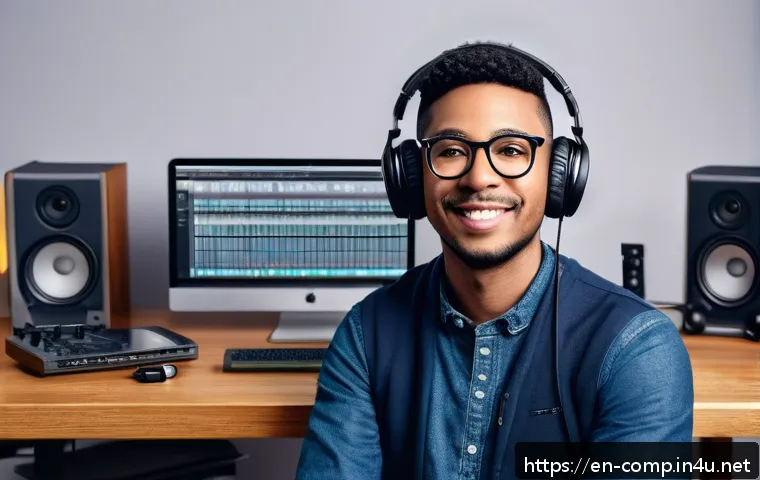
Combining Learning Paths for Maximum Impact
Strategically pursuing both types of certifications can fast-track your career. Some schools and online platforms now offer integrated programs that cover both composition and engineering fundamentals.
I found these blended courses especially helpful because they mimic real-world workflows, preparing me for the multifaceted demands of today’s music projects.
Tools and Technology That Enhance Your Dual Skill Set
Choosing the Right Digital Audio Workstation (DAW)
The DAW you select can influence how smoothly you navigate between composing and engineering. Programs like Logic Pro and Ableton Live excel in composition features, while Pro Tools is a staple in professional mixing.
I personally use Logic Pro for its intuitive MIDI tools and seamless audio editing, which keeps both creative and technical tasks within reach.
Plug-ins and Virtual Instruments That Expand Possibilities
High-quality virtual instruments and effects plugins can inspire creativity and improve production quality. Synths, samplers, and dynamic processors allow you to experiment with sounds that fit your compositional style while addressing engineering needs like clarity and depth.
Over time, I’ve built a custom plugin suite that feels like an extension of my creative voice.
Hardware Essentials for a Professional Setup
Investing in quality microphones, audio interfaces, and monitors enhances your ability to capture and sculpt sound accurately. Understanding how hardware affects your recordings complements your engineering knowledge and supports your compositional intentions.
From personal experience, upgrading to a reliable audio interface was a game-changer in translating my compositions into polished productions.
Balancing Creativity and Technicality Without Losing Your Artistic Spark
Maintaining Inspiration Amid Technical Challenges
It’s easy to get bogged down in technical details and lose sight of the music’s emotional core. I’ve learned to set aside dedicated sessions purely for creative brainstorming and composition, then switch gears for engineering tasks.
This separation helps keep my artistic energy alive without sacrificing technical precision.
Collaborating Without Compromising Your Vision
Even with dual skills, collaboration remains crucial. Working with other musicians, engineers, or producers offers fresh perspectives and can spark innovation.
But having a solid grasp of both domains means you can communicate your ideas clearly and advocate for your artistic vision effectively. In my projects, clear dialogue has been key to successful collaborations.
Continuous Learning as the Industry Evolves
The music industry’s tools and trends shift rapidly. Staying updated through workshops, online courses, and community forums keeps your skills sharp and relevant.
Personally, I dedicate time each month to exploring new software features or production techniques, which keeps my work fresh and competitive.
| Aspect | Composition Focus | Sound Engineering Focus | Combined Advantage |
|---|---|---|---|
| Core Skills | Melody, Harmony, Arrangement | Mixing, Recording, Signal Flow | Creating music that is both artistically sound and technically polished |
| Tools | Notation Software, MIDI Controllers | DAWs, Audio Interfaces, Plugins | Seamless workflow from writing to production |
| Certifications | Songwriting, Music Theory | Pro Audio, Live Sound Engineering | Enhanced credibility and marketability |
| Career Opportunities | Composer, Songwriter | Studio Engineer, Sound Designer | Independent artist, multimedia roles, producer |
| Creative Control | Artistic vision and structure | Sound texture and clarity | Full control over final musical product |
Closing Thoughts
Embracing both composition and sound engineering enriches your creative journey, giving you a unique advantage in the music world. This dual expertise not only enhances your artistic expression but also equips you to navigate the technical demands of modern production. Ultimately, mastering both disciplines empowers you to bring your musical visions to life with confidence and precision.
Helpful Information to Keep in Mind
1. Developing skills in both music theory and audio technology expands your creative and professional opportunities.
2. Investing time in learning industry-standard software like DAWs can streamline your workflow and boost productivity.
3. Earning certifications in composition and sound engineering adds credibility and opens doors to diverse career paths.
4. Balancing creative inspiration with technical know-how helps maintain artistic integrity throughout the production process.
5. Staying current with evolving tools and trends ensures your skills remain relevant and competitive in the fast-changing music industry.
Key Takeaways for Success
Combining creative composition with technical sound engineering creates a powerful skill set that leads to greater control over your music and more career flexibility. Pursuing continuous learning and certifications enhances your expertise and marketability. Most importantly, maintaining a healthy balance between artistry and technology keeps your passion alive while delivering professional-quality results.
Frequently Asked Questions (FAQ) 📖
Q: uestionsQ1: How does having both composer certification and sound engineering skills benefit my music career?
A: Combining composer certification with sound engineering expertise gives you a significant edge by making you a versatile professional. Not only can you create original music, but you also understand how to capture, mix, and master it to industry standards.
This dual skill set increases your value to studios, production companies, and clients, opening doors to diverse roles like scoring, producing, and audio post-production.
From my experience, mastering both areas helped me take full control of my projects and boosted my confidence when collaborating with other creatives.
Q: Is it necessary to get formal certification in both composition and sound engineering, or can self-learning suffice?
A: While self-learning can provide a solid foundation, formal certification offers structured knowledge, industry-recognized credentials, and access to professional networks.
Certifications often cover essential theory, technical skills, and best practices that can be overlooked when learning independently. Personally, earning certifications accelerated my career by validating my expertise and making it easier to gain clients’ trust.
However, combining both approaches—structured learning plus hands-on experience—is often the best route.
Q: How does mastering both skills align with current trends in the music industry?
A: The music industry increasingly values professionals who can wear multiple hats due to the rise of home studios, remote collaborations, and digital streaming platforms.
Producers and composers who also understand sound engineering can adapt quickly to evolving tech, streamline production workflows, and deliver polished results faster.
This adaptability is critical as budgets tighten and turnaround times shrink. From what I’ve seen, artists and professionals who blend creative and technical skills are better positioned to thrive in today’s competitive, tech-driven environment.