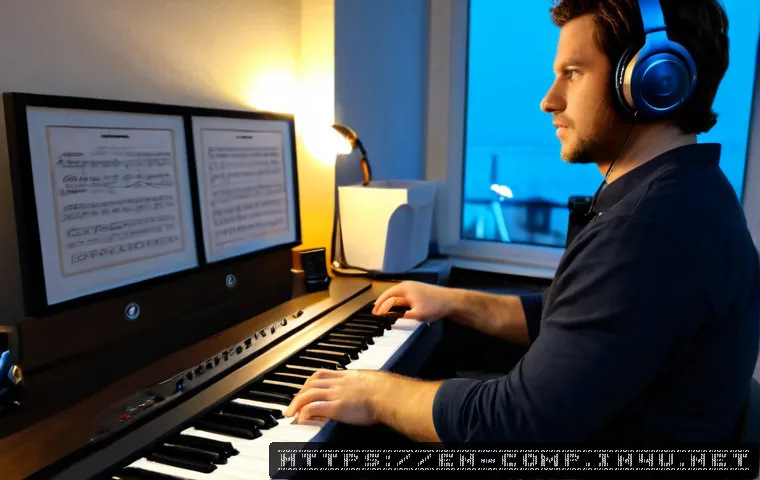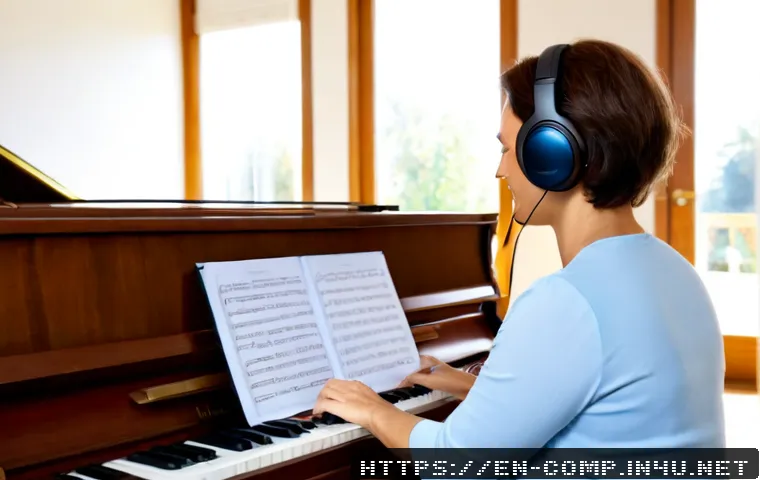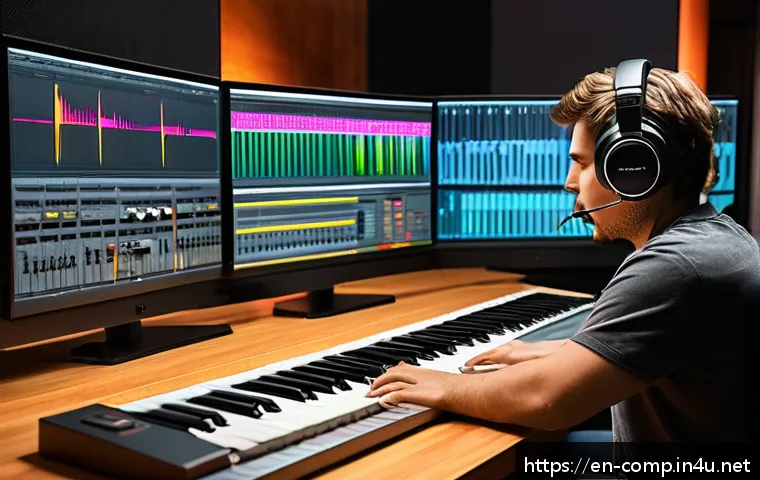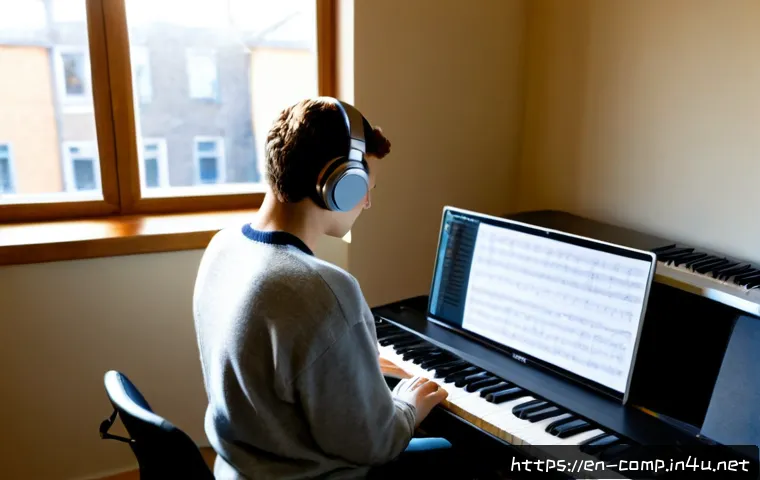
A composer certificate can add structure, assessment, and feedback, but it is not universally required to write, publish, license, or perform original music.
For most aspiring composers, a clear portfolio of finished work is the stronger proof of ability. The right choice depends on your genre, current skills, budget, and whether you need regular guidance or a formal learning framework.
Comparing course feedback, certification exam costs, notation software, DAW subscriptions, and mentoring can prevent an expensive mismatch. Self-study can work well when it includes deadlines, score study, ear training, completed projects, and qualified feedback.
A certificate may be worth considering when its assessment and connections directly support your next goal.
At a Glance
- Certificates can help with structure, assessment, and guided learning, but their recognition varies by provider and opportunity.
- A finished portfolio matters for applications, collaborators, commissions, and freelance composition work.
- Self-study is credible when it produces completed music, regular practice, and useful feedback cycles.
| Learning Route | Main Cost Categories | Feedback Level | Best Fit |
|---|---|---|---|
| Structured self-study | Books, notation software, DAW tools, sample libraries, recording tools | Depends on peer or mentor feedback | Independent learners with a clear weekly plan |
| Online certificate program | Enrollment, assessment or exam fees, required software, possible coaching | Varies by course format and instructor access | Learners who want deadlines and formal assessment |
| Private lessons or portfolio review | Lesson or review fees, revision time, software and materials | Usually direct and personalized | Composers needing targeted critique on current work |
| Formal degree-level study | Tuition, materials, instruments, software, living and project costs | Ongoing instruction and peer environment | Learners seeking a broad, structured academic path |
The Short Answer: Credentials Can Help, but Finished Music Demonstrates Ability
A composer credential can be useful, especially when it gives you a curriculum, clear assessment, and access to musicians or instructors. It can also help a career changer create a routine instead of trying to learn composition from disconnected tutorials. However, a completion certificate is not automatically an industry-wide qualification. Before enrolling, check what is assessed, who provides feedback, and whether the program fits the type of music you want to write.
When a certificate adds practical value
A certificate is most useful when it includes specific projects, meaningful assessment, and revision feedback. For example, a program may help you work through theory, orchestration, score preparation, or production in an orderly sequence. It may also create deadlines that make finishing pieces easier. Ask whether the course reviews original work or simply records course completion.
Why a portfolio remains essential for self-taught and formally trained composers
People evaluating a composer often need to hear and see the actual work. A portfolio shows your musical decisions, technical range, and ability to complete a project. This applies whether you learned through independent study, online music courses, private lessons, or formal study. A certificate can support your story, but finished scores and recordings make your skills visible.
Compare the Main Learning Routes Before You Pay
There is no single best training route. The practical question is whether a route gives you the skills, feedback, and work samples needed for your next musical goal without creating unnecessary costs.
Independent study with a structured weekly plan
Self-study can include theory practice, score study, ear training, and regular composition projects. The important part is structure. Set a defined task, such as writing a short piece for a particular instrument group, then revise it after review. A plan without finished work can become endless preparation, so keep each project small enough to complete.
Online certificate programs and assessed courses
Online composition courses can offer a syllabus and scheduled assignments. Their value differs substantially. Review the curriculum, assessment method, feedback access, software requirements, and total certification exam costs or enrollment costs before committing. If your goal is portfolio development, prioritize courses that require original submissions and revisions rather than passive viewing.
Private composition lessons, workshops, and portfolio reviews
Private coaching can be a focused investment when you already have material to improve. A qualified musician may identify issues in notation, orchestration, form, production, or presentation that are difficult to notice alone. Workshops can also be useful when they create a reason to finish and share work. Bring specific questions and a complete draft so the feedback can be practical.
Cost categories to calculate beyond tuition or enrollment fees
Do not compare only the advertised course price. Your learning path may also involve notation software, DAW subscriptions, sample libraries, recording tools, instruments, mentoring, assessment fees, and revision time. Some genres require polished audio mockups, while others place more weight on readable scores. Define your output first, then buy only the tools that support it.
What Credible Self-Study Success Looks Like
Self-taught success is not about claiming to have learned everything alone. It is about building a repeatable process that results in music people can review, perform, collaborate on, or consider for a project.
Build skills through small, completed composition projects
Start with limited briefs. Write for one instrument, a small ensemble, a short scene, or a defined songwriting format. Constraints make it easier to finish, compare drafts, and learn from mistakes. Over time, these pieces can show range without forcing you to begin with a large work that remains unfinished.
Use feedback cycles instead of relying only on tutorials
Tutorials can explain tools and techniques, but they do not automatically tell you whether your piece communicates clearly. Seek feedback from qualified musicians when possible, then revise with purpose. A useful cycle is simple: draft the piece, collect comments, decide what serves the musical goal, revise, and document what changed. Feedback is most valuable when it leads to a completed revision.
Present scores, recordings, and production notes professionally
A practical composer portfolio can include a readable score where relevant, an audio recording or mockup, a brief project note, and accurate credits. Note performers, collaborators, and permissions clearly. If you use production tools, explain the role of the DAW, notation software, or recorded material without overstating what was performed live. Clean presentation makes it easier for a listener to understand the work.
Avoid Expensive Mistakes in Training and Music Software
Many composition purchases are useful in the right context. Problems begin when software or a course is bought before the learner has identified a genre, output format, and feedback plan.
Do not confuse a completion certificate with industry-wide qualification

Certificate requirements, fees, recognition, and assessment methods vary greatly. A program may be valuable for learning even if it is not recognized by every employer, university, ensemble, grant program, or client. Check the requirements of the specific opportunity you want to pursue instead of assuming a credential will transfer everywhere.
Match DAW, notation software, and sample-library purchases to your genre
A composer writing concert music may need a different workflow from someone creating music for games, film, songs, or independent releases. Before purchasing notation software, a DAW subscription, or a sample library, ask what you need to deliver: a score, an audio mockup, a recorded track, or several of these. Start with the workflow that supports your next few projects.
Check ownership, licensing, and export requirements for your work
When publishing or monetizing original music, copyright protection and licensing decisions may matter. Check the ownership terms for music, recordings, samples, and collaborative contributions. Also confirm whether your tools can export the score, audio, or session materials you need. These details are worth reviewing before your music is promised to a client, performer, or platform.
Choose a Path Based on Your Goal
Your intended destination should shape the investment. The same course or software package can be useful for one composer and unnecessary for another.
Writing for film, games, and media projects
Media-focused composers may benefit from a workflow that supports audio mockups, production, revisions, and clear delivery. Consider whether a course provides project-based feedback and whether its DAW or sample-library requirements match the kind of work you plan to create. A portfolio should make it easy to hear your work and understand its intended use.
Classical, chamber, choral, or concert music applications
For score-centered work, prioritize readable notation, practical writing for instruments or voices, and feedback from musicians who can comment on performability. A portfolio may need scores alongside recordings or mockups. If applying to a specific ensemble or program, verify its submission requirements directly.
Songwriting, production, and independent releases
Songwriters and producers may focus on finished tracks, arrangement choices, production notes, and clear credits. A DAW can be central to this workflow, while notation software may be less urgent depending on the project. Choose courses or mentoring that improve the areas your current tracks reveal, rather than collecting unrelated credentials.
Returning to music after a career change
Career changers often benefit from a manageable structure: regular projects, one or two core tools, and scheduled feedback. A certificate can provide accountability, but a portfolio-first plan can also rebuild confidence without committing to a broad program immediately. Begin with the musical direction you can realistically sustain.
Choosing Your Next Investment: Certificate, Coaching, or Portfolio Budget
Before enrolling, compare course feedback, assessment, software requirements, and total cost. Ask whether the program produces portfolio-ready work, whether feedback is individual or general, and whether the credential matters for your specific target. Include the cost of tools and the time needed to revise assignments. For many beginners, a sensible order is: define a musical goal, complete a few small projects, use basic suitable tools, then pay for targeted feedback or structured study. When comparing programs, coaching, or software, review the official details and requirements on the relevant provider page before purchasing.
Conclusion
A composer certificate can be a useful learning tool, but it is not a substitute for music that listeners, performers, and collaborators can evaluate. Self-study becomes credible when it is structured, completed, reviewed, and presented clearly. Spend according to your immediate goal rather than the promise of a label. A smaller portfolio budget with strong feedback may be more useful than another course that does not lead to finished work.
Useful Information to Keep in Mind
1. Keep copies of scores, exports, recordings, and project notes in an organized folder.
2. Record credits and permissions as each project develops, not after publication.
3. Save feedback and revision notes so you can identify recurring skill gaps.
4. Build a portfolio gradually; a few well-presented pieces can communicate more than many incomplete drafts.
Important Considerations
Recognition, curriculum, assessment, fees, and software requirements vary between certificate providers. No course, coaching arrangement, or self-study plan can guarantee an income level, placement, commission, or career result. Confirm the requirements of a specific employer, university, ensemble, grant program, client, or publishing opportunity before treating any credential as necessary.
Frequently Asked Questions
Q1. Do I need a certificate to work as a composer?
A1. No universal certificate requirement applies to writing, publishing, licensing, or performing original music. A certificate may provide structure and assessment, but completed, well-presented work is commonly important for opportunities involving applications, collaborators, commissions, or freelance work.
Q2. Is self-teaching composition cheaper than taking an online certificate course?
A2. It can be, but the total cost depends on your tools, coaching, exam or assessment fees, instruments, and revision needs. Compare the full budget rather than only course enrollment fees or the price of a DAW subscription.
Q3. What should a beginner composer include in a portfolio before paying for professional coaching?
A3. Include a small set of completed pieces with scores where relevant, recordings or mockups, brief project notes, accurate credits, and clear permissions. This gives a coach enough material to provide focused feedback on your current musical and technical decisions.